


Apple, Enterprise
- In stock, ready to ship
- Backordered, shipping soon
Tree Care:
Planting:
Choose a full sun location with well-draining soil. Dig a hole twice the width of the root ball and to the same depth. Ensure it is planted near a compatible late-midseason cross-pollinator such as Gala, Fuji, or Granny Smith.
Watering:
Deep water newly planted trees weekly during the first growing season. Provide consistent moisture during summer dry spells, particularly in the weeks leading up to its late-autumn harvest.
Fertilizing:
Apply a balanced, slow-release fertilizer in early spring before new growth begins. Limit nitrogen intake to maintain firm fruit texture and preserve the tree's natural disease resistance.
Pruning:
Shape the tree in late winter while it is dormant, typically using the central leader method. Remove dead, crossing, or low-hanging branches, and clear out vertical water sprouts to maximize sunlight penetration.
Pest and Disease Control:
Features exceptional genetic immunity to apple scab and high resistance to fire blight, cedar-apple rust, and powdery mildew. Monitor occasionally for insects like codling moths and treat promptly if necessary.
Winter Care:
Apply a 3-inch layer of mulch around the base for root insulation, keeping it clear of the trunk. Use a plastic tree guard on young trunks to protect against sunscald and chewing damage from winter rodents.
Tree Description:
Appearance:
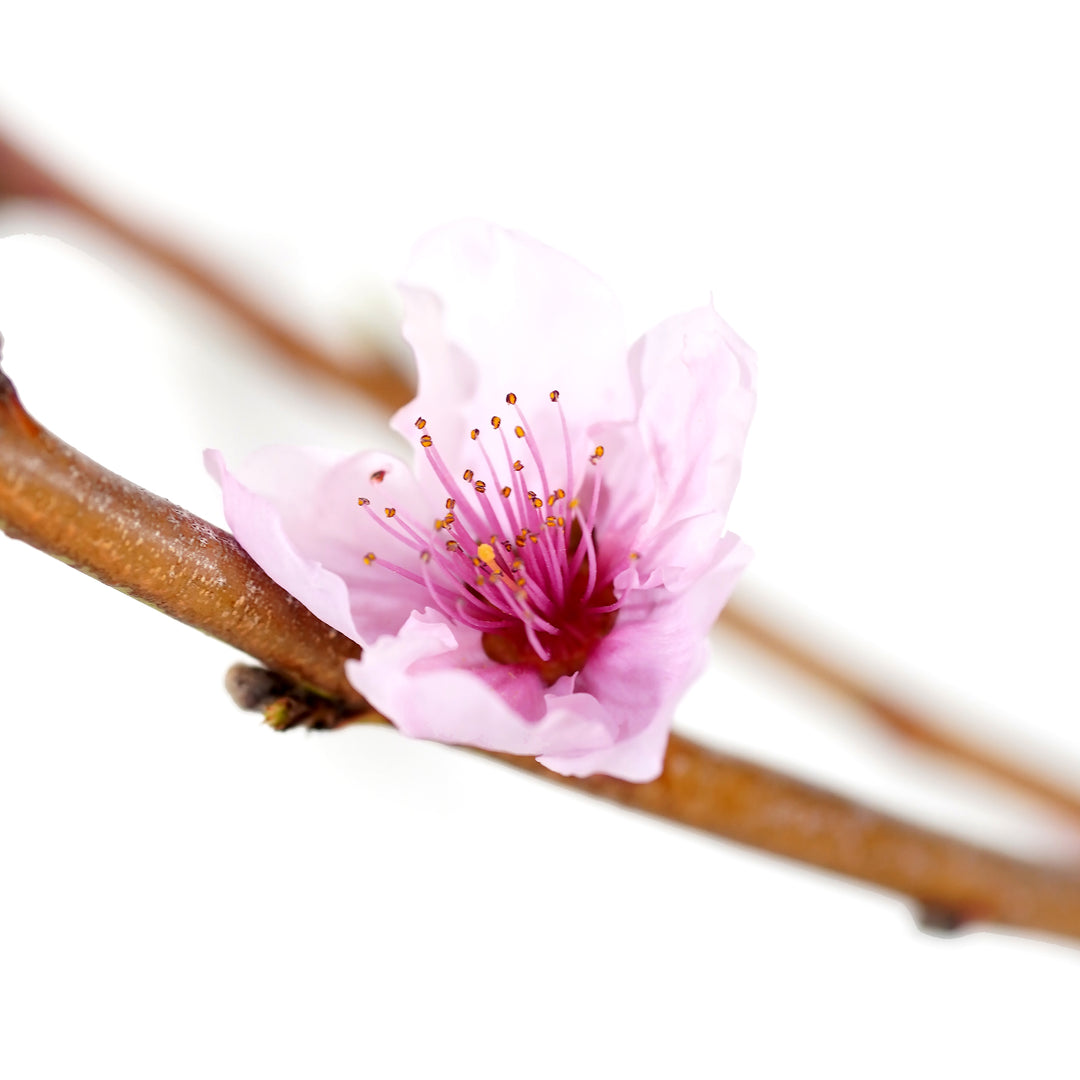
Showy clusters of fragrant pinkish-white blossoms cover the branches in mid-to-late spring.
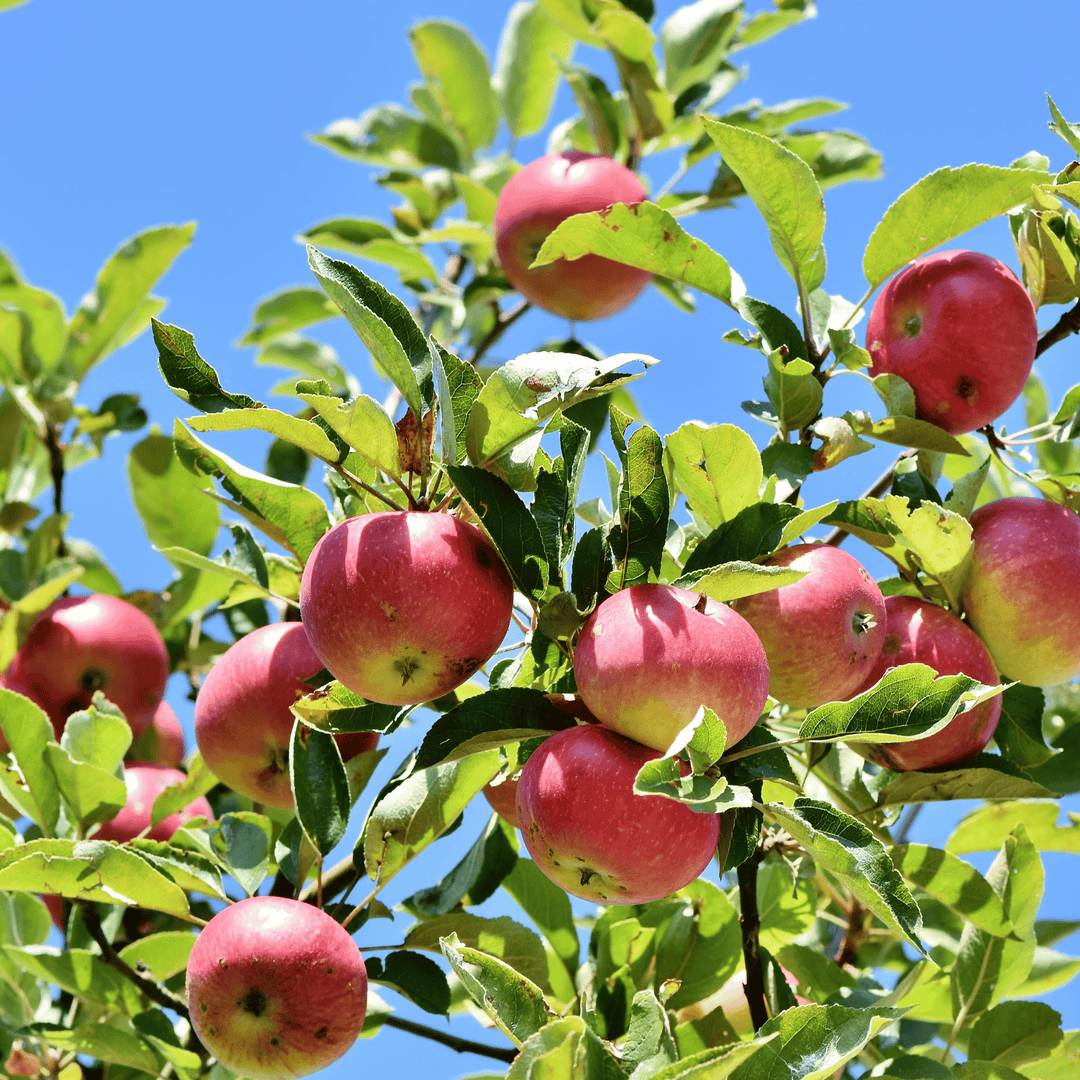
Produces medium-to-large, round fruits with a glossy, deep red skin and a firm, cream-colored flesh.
Foliage:
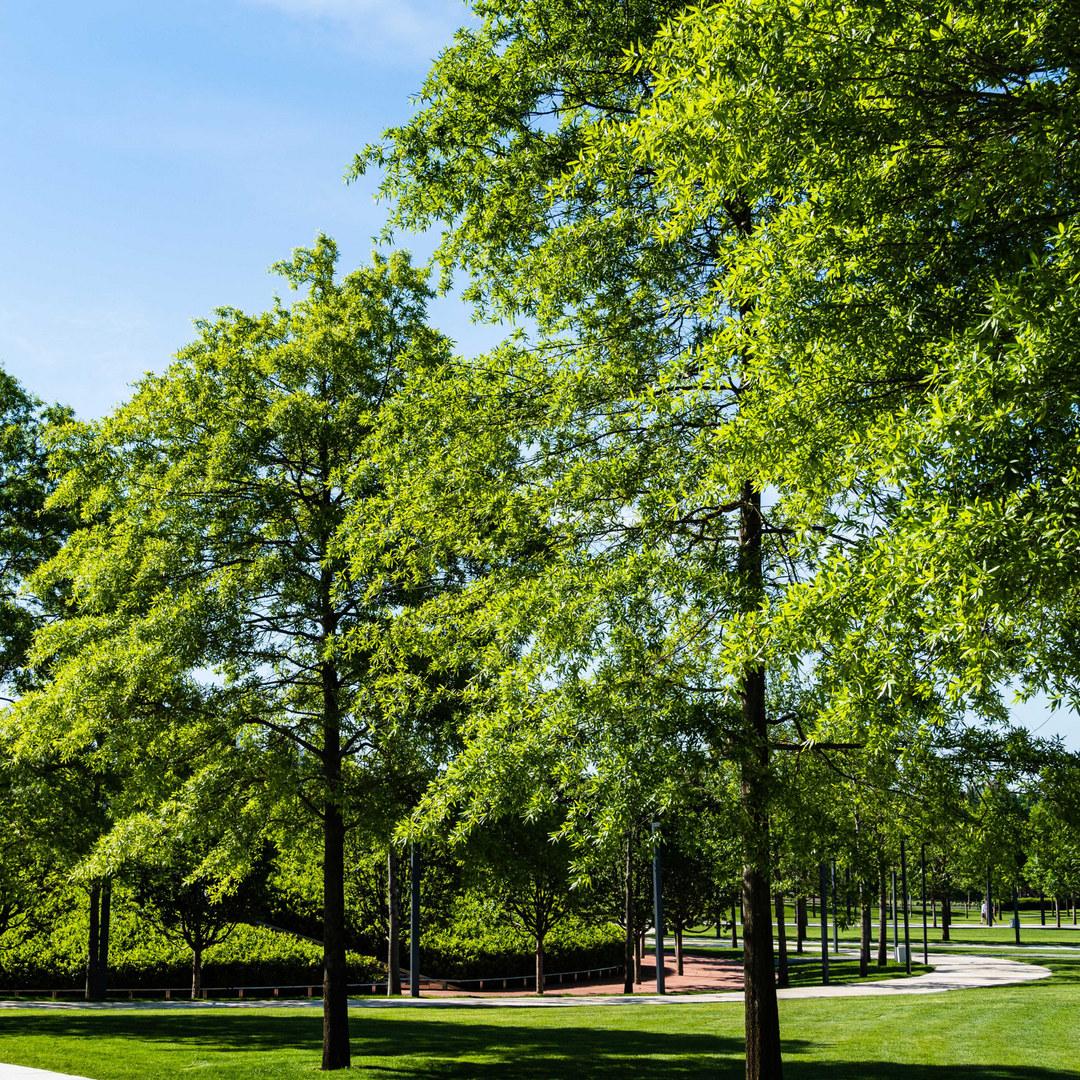
Dense, healthy oval leaves are medium-to-dark green throughout the spring and summer.
Leaves transition to a warm yellow-bronze color in the autumn.
Shape and Growth:
Features a vigorous, spreading-to-round canopy that easily supports a heavy crop load.
Grows at a moderate rate, typically reaching 12–15 feet tall and wide on semi-dwarf rootstocks.
Adaptability:
Noted for its rugged constitution and superb four-way disease resistance, making it one of the easiest apple varieties to grow without intensive chemical sprays. Thrives in USDA Zones 4–8.
Landscape Use:
Perfect for low-maintenance home orchards, backyards, and edible landscaping. The fruit is a premier "keeper," storing exceptionally well in refrigeration for three to six months as its flavor mellows and sweetens over time.