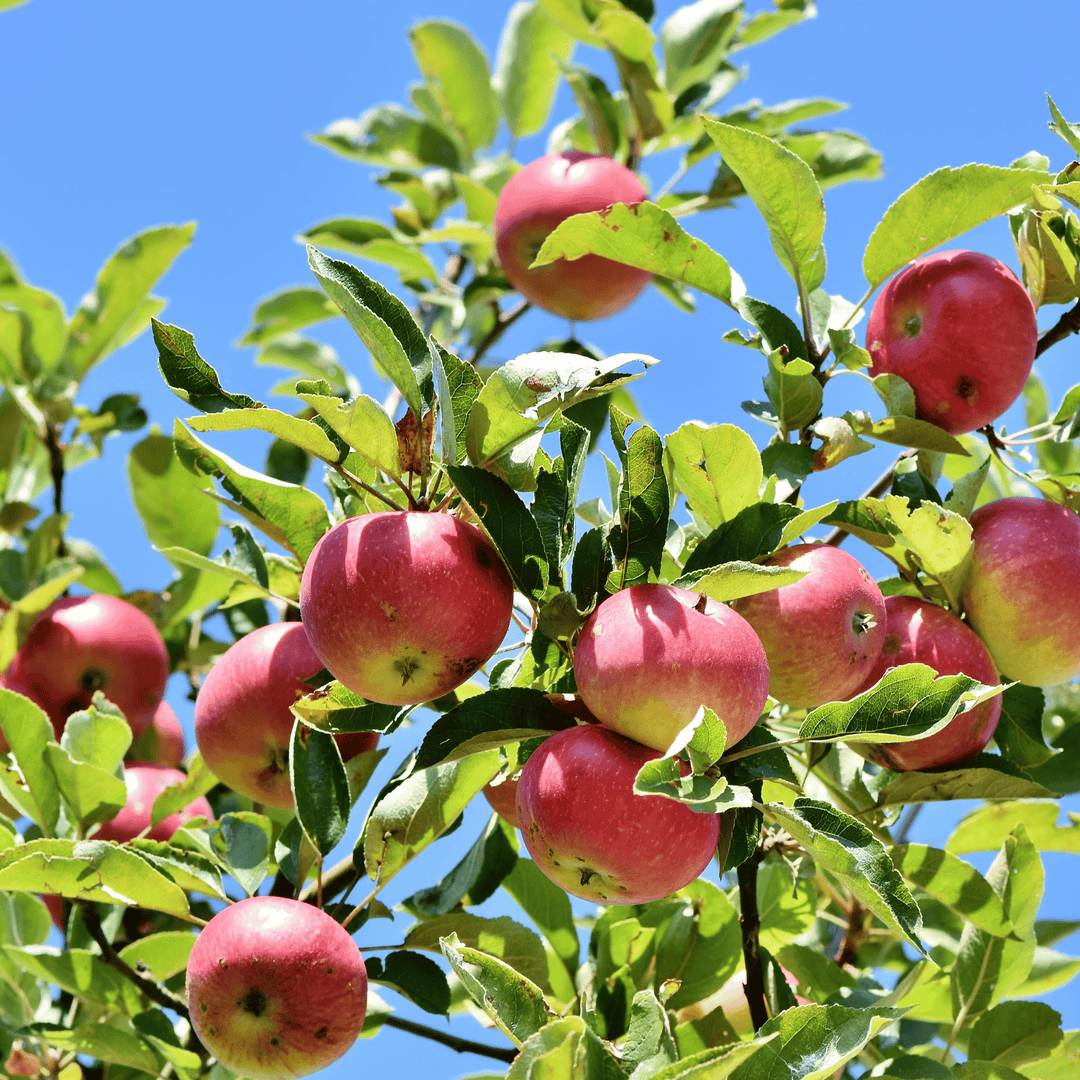



Cherry, Fruiting, Lapins
- In stock, ready to ship
- Backordered, shipping soon
Tree Care:
Planting:
Location: Choose a full sun location with excellent air circulation and deep, well-drained soil. Cherries hate "wet feet," so avoid soggy areas.
Process: Dig a hole twice as wide as the root ball and just as deep. Ensure the graft union is slightly above the soil line.
Watering:
Routine: Deep water newly planted trees weekly.
Fruiting Season: Increase watering frequency as the fruit begins to swell. Consistent moisture is key to preventing the skin from splitting, though 'Lapins' is naturally more resistant to this than other varieties.
Fertilizing:
Timing: Apply a balanced, slow-release fertilizer (like 10-10-10) in early spring before the white blossoms appear.
Caution: Avoid high-nitrogen fertilizers once the fruit has set, as this can lead to excessive leaf growth at the expense of fruit quality.
Pruning:
Method: Use the "Open Center" or "Modified Central Leader" system. 'Lapins' tends to grow very upright, so pruning to encourage lateral (sideways) branches is essential for easier harvesting.
Timing: Best pruned in late winter while dormant to prevent the spread of silver leaf disease.
Pest and Disease Control:
Birds: Since these cherries are sweet and dark, birds love them. Use bird netting as the fruit begins to turn red.
Disease: Watch for Bacterial Canker (oozing sap) and Brown Rot. Pruning for airflow and using a dormant copper spray in late winter can significantly reduce these risks.
Winter Care:
Insulation: Apply a 3-inch layer of mulch around the base (but not touching the trunk) to protect the roots.
Trunk Protection: In very cold climates, use a white tree wrap to prevent "frost cracks" on the bark during sunny winter days.
Tree Description:
Appearance:
Flowers: Stunning clusters of snow-white blossoms cover the branches in mid-spring.
Bark: Attractive, reddish-brown bark with prominent horizontal lenticels (pores), typical of the Prunus family.
Fruit Characteristics:
The Harvest: Produces large, dark mahogany-red cherries that are firm and meaty.
Flavor: Exceptionally sweet and juicy with a rich, complex flavor that is superior to most store-bought varieties.
Resilience: The fruit is highly crack-resistant, allowing it to survive spring rain showers that would ruin other cherry crops.
Foliage:
Summer: Large, serrated, dark green leaves that provide a dense canopy.
Fall: The foliage turns a pleasant yellow to orange-red before dropping for the winter.
Shape and Growth:
Habit: Naturally grows in a vigorous, upright fashion. Left unpruned, it can reach 15–20 feet, but most gardeners keep it at 12 feet for easy picking.
Self-Fertility: Unlike most sweet cherries, 'Lapins' is self-pollinating. It will produce fruit all by itself, making it perfect for smaller yards.
Adaptability:
Climate: It requires about 800–900 chill hours, making it ideal for USDA zones 5–9.
Landscape Use:
Versatility: Because you only need one tree for fruit, it’s a premier choice for small urban gardens or as a dual-purpose ornamental and edible specimen tree.