


Cherry, Fruiting, Royal Ann
- In stock, ready to ship
- Backordered, shipping soon
Tree Care:
Planting:
Location: Needs a full sun location with deep, well-drained, fertile soil. Avoid low spots where late spring frosts can settle and damage blossoms.
Pollination: Unlike 'Lapins', 'Royal Ann' is not self-fertile. It requires a pollinator like 'Black Tartarian', 'Rainier', or 'Garden Annie' nearby to produce fruit.
Watering:
Consistency: Requires regular, deep watering, especially during the first few years.
Fruiting: Keep the soil consistently moist but never soggy during fruit development. Uneven watering can lead to fruit cracking if a dry spell is followed by heavy water.
Fertilizing:
Schedule: Apply a balanced fertilizer in early spring before bloom. If the tree is growing more than 12 inches of new wood per year, you can skip or reduce the fertilizer.
Caution: Excess nitrogen can lead to lush leaves but very little fruit.
Pruning:
Method: Use a "Modified Central Leader" or "Open Center" system. Focus on creating wide crotch angles for the branches to support heavy fruit loads.
Timing: Prune in late winter while the tree is dormant to shape the canopy and remove any diseased wood.
Pest and Disease Control:
Birds: Since the fruit is lighter in color, birds may notice it slightly later than dark cherries, but netting is still highly recommended as they ripen.
Vulnerability: Susceptible to Bacterial Canker (gummosis) and Brown Rot. Ensure good air circulation through pruning and keep the area under the tree clean.
Winter Care:
Protection: Apply a thick layer of organic mulch around the root zone.
Trunk Care: Use a white tree wrap or white latex paint (diluted 50/50 with water) on the trunk of young trees to prevent sunscald during the winter months.
Tree Description:
Appearance:
Flowers: Masses of fragrant, snowy-white flowers bloom in early to mid-spring.
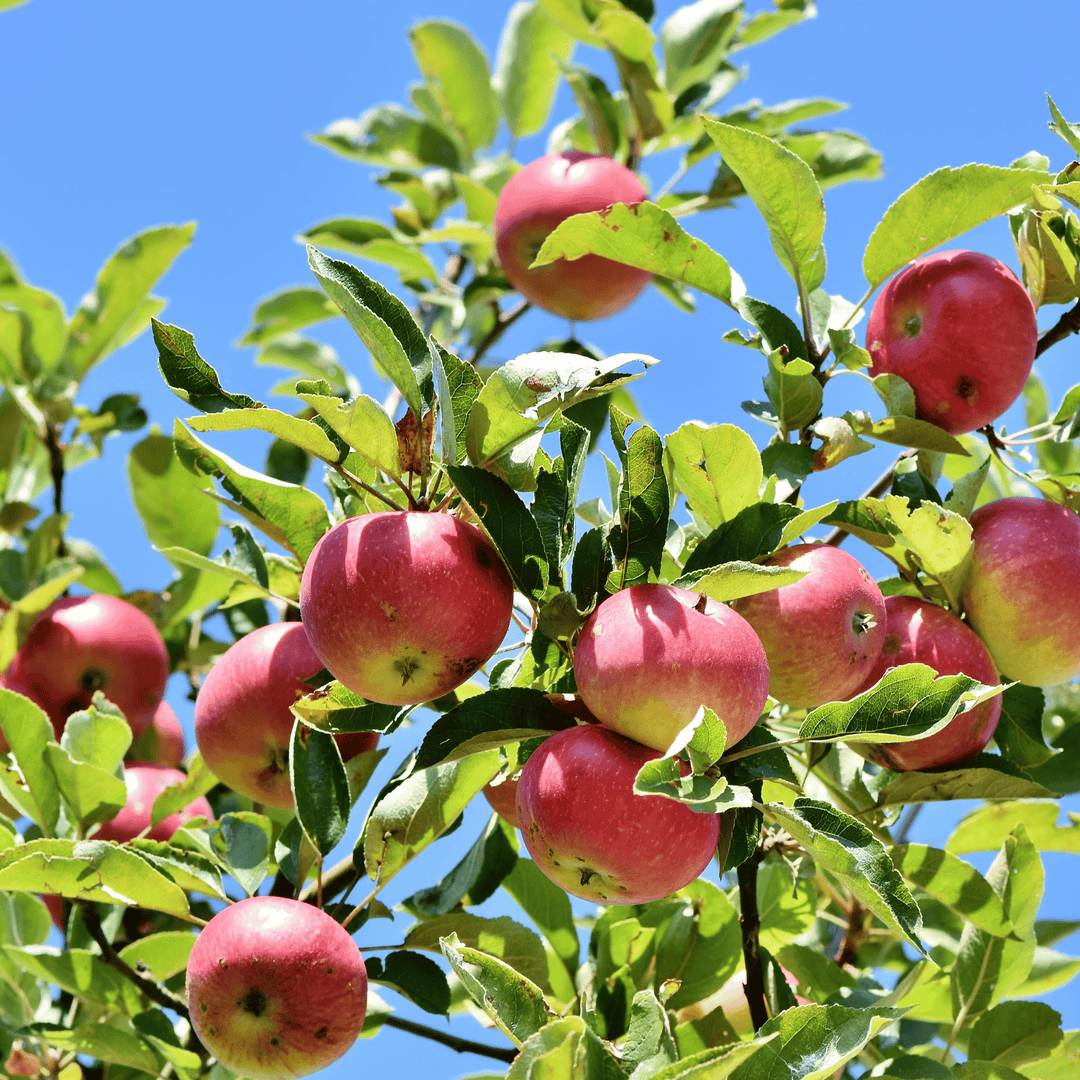
Fruit: Large, heart-shaped cherries with golden-yellow skin covered in a bright rose-pink blush.
Foliage:
Leaves: Large, oblong, vibrant green leaves with a serrated edge. They provide excellent shade throughout the summer.
Shape and Growth:
Habit: A large, vigorous, and upright grower that spreads with age. It can reach 15–20 feet in height, though semi-dwarf varieties are common for home gardens.
Chill Hours: Requires a high chill period of approximately 700–900 hours.
Fruit Characteristics:
Flesh: Very firm, meaty, and creamy-yellow.
Flavor: Sweet and tangy with a high juice content.
Usage: While delicious fresh, its firm texture makes it the premier choice for canning, preserves, and maraschino processing.
Adaptability:
Climate: Thrives in USDA zones 5–9. It prefers the temperate summers of the Pacific Northwest and similar climates but can be grown successfully in many regions with proper care.
Landscape Use:
Aesthetics: Because of the bi-color fruit and heavy spring bloom, it is one of the most visually stunning fruit trees for a home landscape. It serves well as both a shade tree and a high-yield food source