


Apple, Honeygold
- In stock, ready to ship
- Backordered, shipping soon
Tree Care:
Planting:
Location: Needs full sun (at least 6–8 hours) and well-draining soil. It is adaptable to various soil types but dislikes "wet feet."
Pollination: 'Honeygold' is not self-fertile. It requires a different apple variety nearby that blooms at the same time (such as 'Honeycrisp', 'McIntosh', or a Crabapple) to produce fruit.
Watering:
Establishment: Water deeply once a week during the first two growing seasons.
Maintenance: Once established, it is moderately drought-tolerant, but consistent moisture during the late summer fruit-ripening phase is crucial for the best flavor and crunch.
Fertilizing:
Timing: Apply a balanced fertilizer (like 10-10-10) in early spring before the buds break.
Warning: If the tree is planted in a fertilized lawn, it likely won't need extra feeding, as too much nitrogen can lead to soft wood and fire blight susceptibility.
Pruning:
Method: Use the "Central Leader" system (one main trunk with horizontal tiers of branches).
Maintenance: Prune in late winter. Focus on removing "water sprouts" (vertical shoots) and ensuring sunlight can reach the center of the tree to ripen the inner fruit.
Pest and Disease Control:
Prevention: It has moderate resistance to Apple Scab, but keep an eye out for Fire Blight (which looks like scorched branch tips).
Action: Use a dormant oil spray in late winter to smother overwintering pests like aphids or scale.
Winter Care:
Protection: This tree is a "cold-weather warrior," but young trunks are susceptible to sunscald and rodent damage. Use a white plastic tree guard or wire mesh around the base in late autumn.
Tree Description:
Appearance:
Flowers: Beautiful, fragrant pinkish-white blossoms that appear in mid-to-late spring.
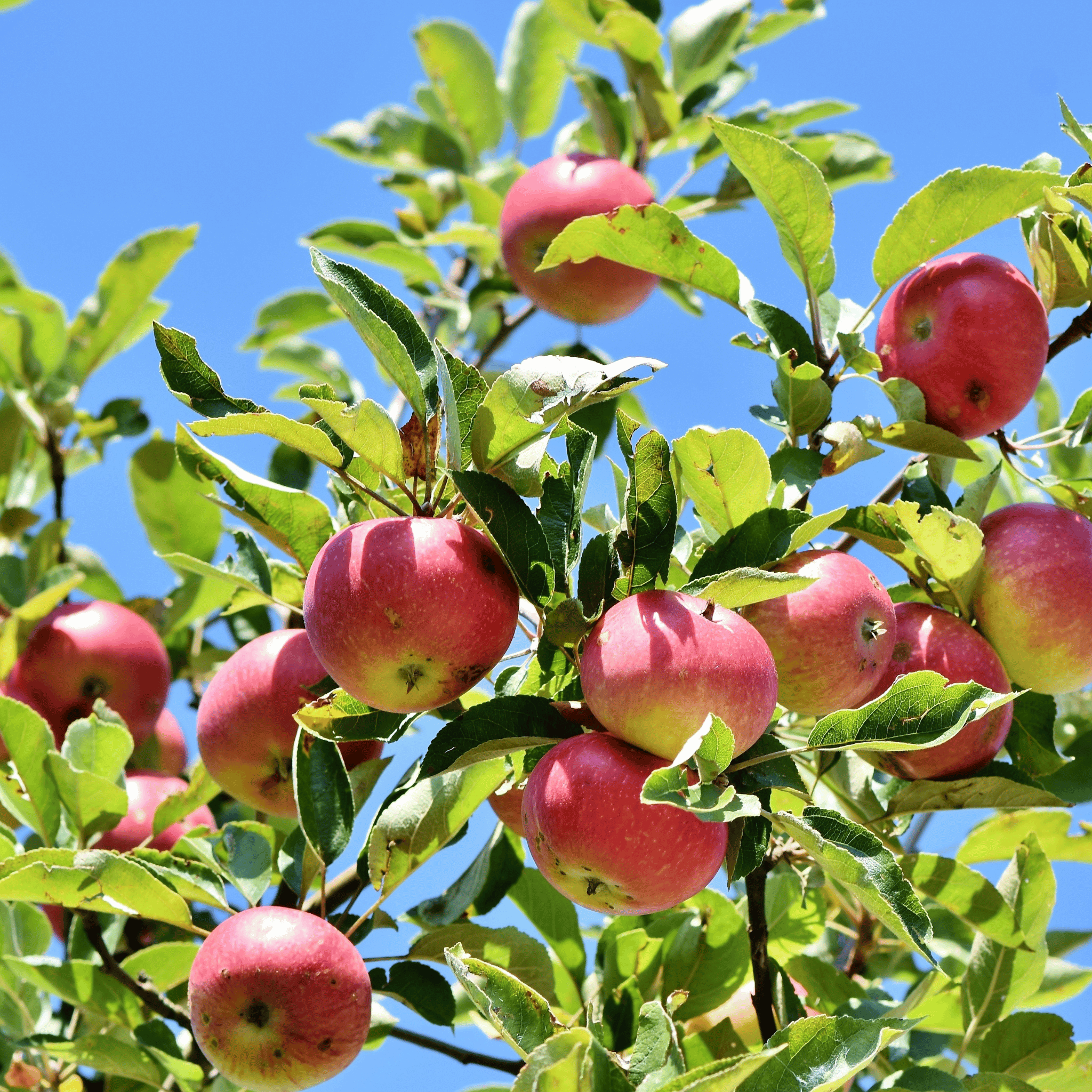
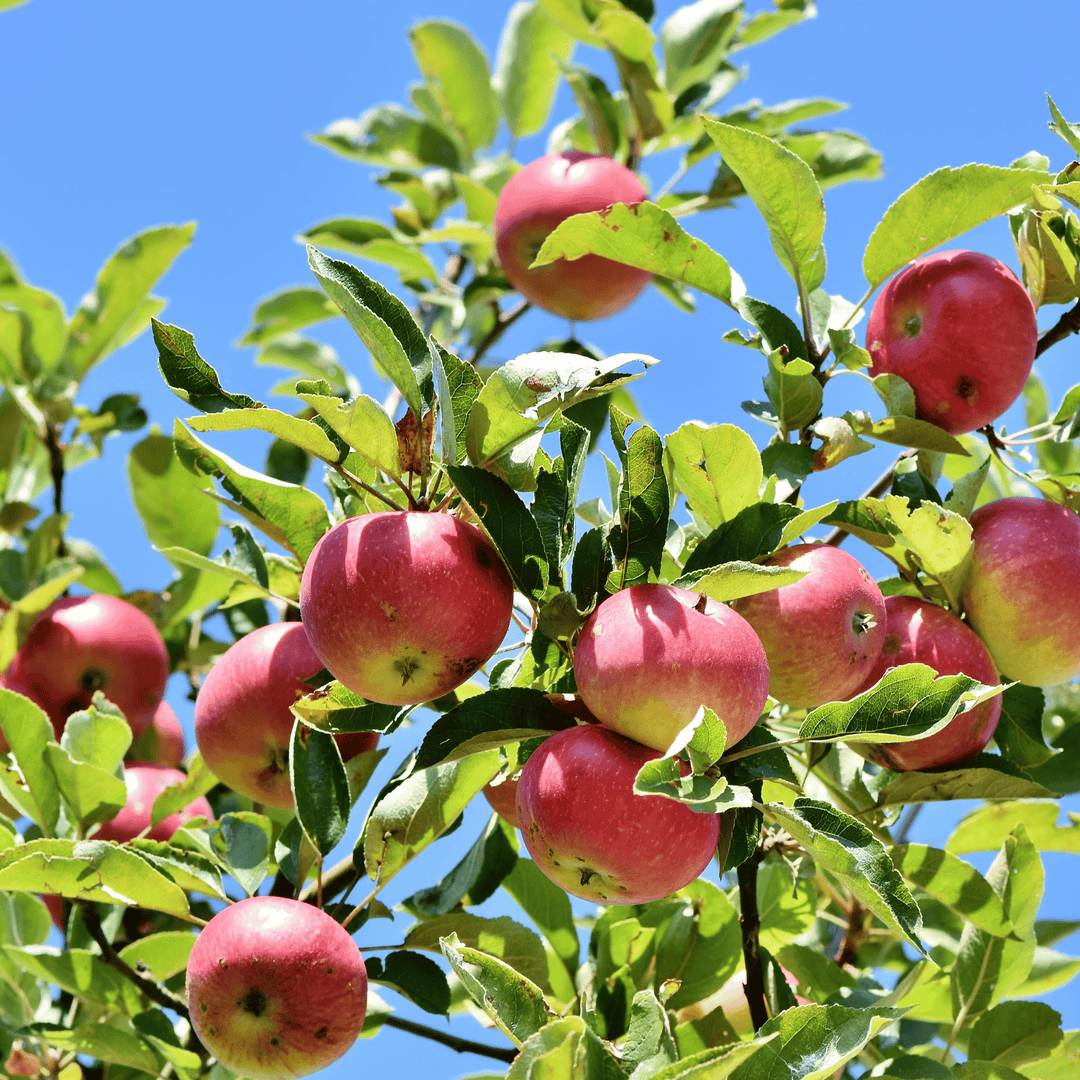
Fruit: Medium to large, round-conical apples with a brilliant yellow-gold skin, often featuring small russet dots (lenticels).
Foliage:
Leaves: Classic apple foliage—oval, serrated, and a healthy medium-green that provides a nice backdrop for the golden fruit.
Shape and Growth:
Habit: A moderately vigorous tree with a rounded, spreading canopy. It typically reaches 12–15 feet on semi-dwarf rootstock.
Hardiness: Renowned for its extreme cold tolerance, flourishing in USDA Zones 3–7.
Fruit Characteristics:
Flavor: Very sweet with a distinct honey-like finish and low acidity.
Texture: Crisp, juicy, and fine-grained.
Usage: Excellent for fresh eating and salads (it browns slowly when sliced). While it's great for baking, its high sugar content means you can reduce the added sugar in your recipes!
Adaptability:
Climate: While it was bred for the cold, it performs surprisingly well in warmer regions, provided it gets enough chill hours in the winter.
Landscape Use:
Utility: A fantastic choice for a home orchard or edible hedge. Because the yellow fruit hangs like golden ornaments against the green leaves in late September and October, it’s highly ornamental as harvest approaches.