


Cherry, Fruiting, Gold
- In stock, ready to ship
- Backordered, shipping soon
Tree Care:
Planting:
Choose a full sun location that receives at least 6–8 hours of direct sunlight daily to maximize fruit production and sugar content.
Dig a hole twice the width of the root ball and to the same depth. Prefers deep, loamy, well-draining soil; cherries have zero tolerance for waterlogged roots. Ensure a compatible sweet cherry variety is planted nearby, as it requires a cross-pollinator to set fruit.
Watering:
Water newly planted trees deeply 1–2 times a week to establish a resilient root system.
Established trees require moderate, regular irrigation, especially during the summer fruiting period. Provide deep, consistent soakings during extended dry spells rather than frequent, shallow watering.
Fertilizing:
Apply a balanced, slow-release fruit tree fertilizer or top-dress with organic compost in early spring before buds break.
Avoid heavy nitrogen applications, which prompt rapid, weak branch growth that is highly vulnerable to disease and can reduce fruit yield.
Pruning:
Prune in late winter or early spring while dormant to shape the tree and remove dead, damaged, or crossing limbs.
Perform light thinning in mid-to-late summer to increase airflow and sunlight penetration into the canopy, which helps keep the fruit-producing spurs healthy and dry.
Pest and Disease Control:
Monitor for common cherry issues such as bacterial canker, brown rot, and cherry leaf spot. Avoid heavy pruning during wet, rainy weather to reduce the risk of bacterial infection.
While its unique yellow color makes it naturally less appealing to birds, watch for insect pests like aphids or cherry fruit flies and treat promptly.
Winter Care:
Apply a 3-inch layer of organic mulch over the root zone in late autumn to insulate the roots, ensuring the mulch stays a few inches away from the trunk.
Despite being one of the most cold-hardy sweet cherries available, young trunks benefit from a commercial tree wrap to guard against winter sunscald and rodent damage.
Tree Description:
Appearance:
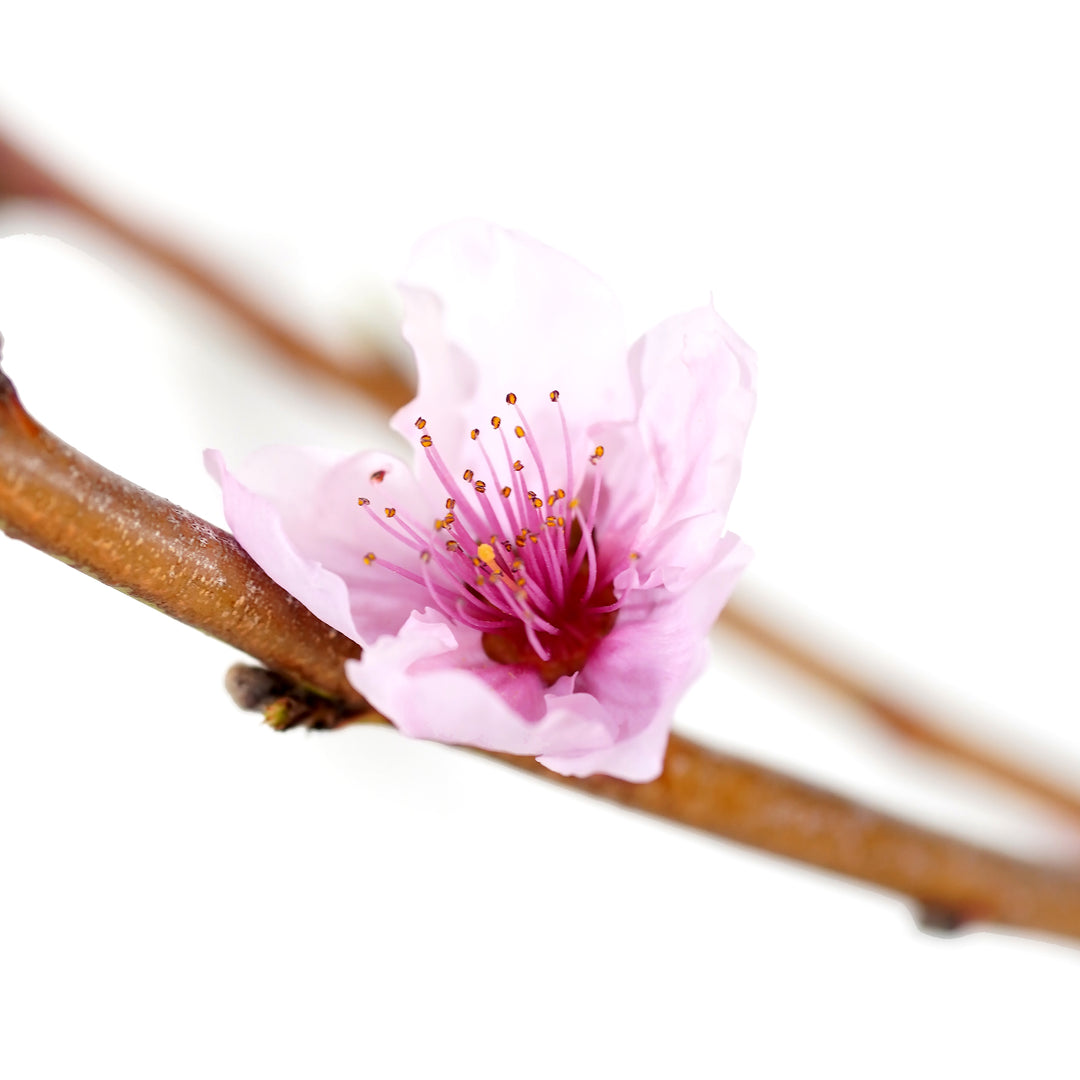
Erupts in early spring with a stunning, fragrant display of snow-white flower clusters that coat the bare branches.
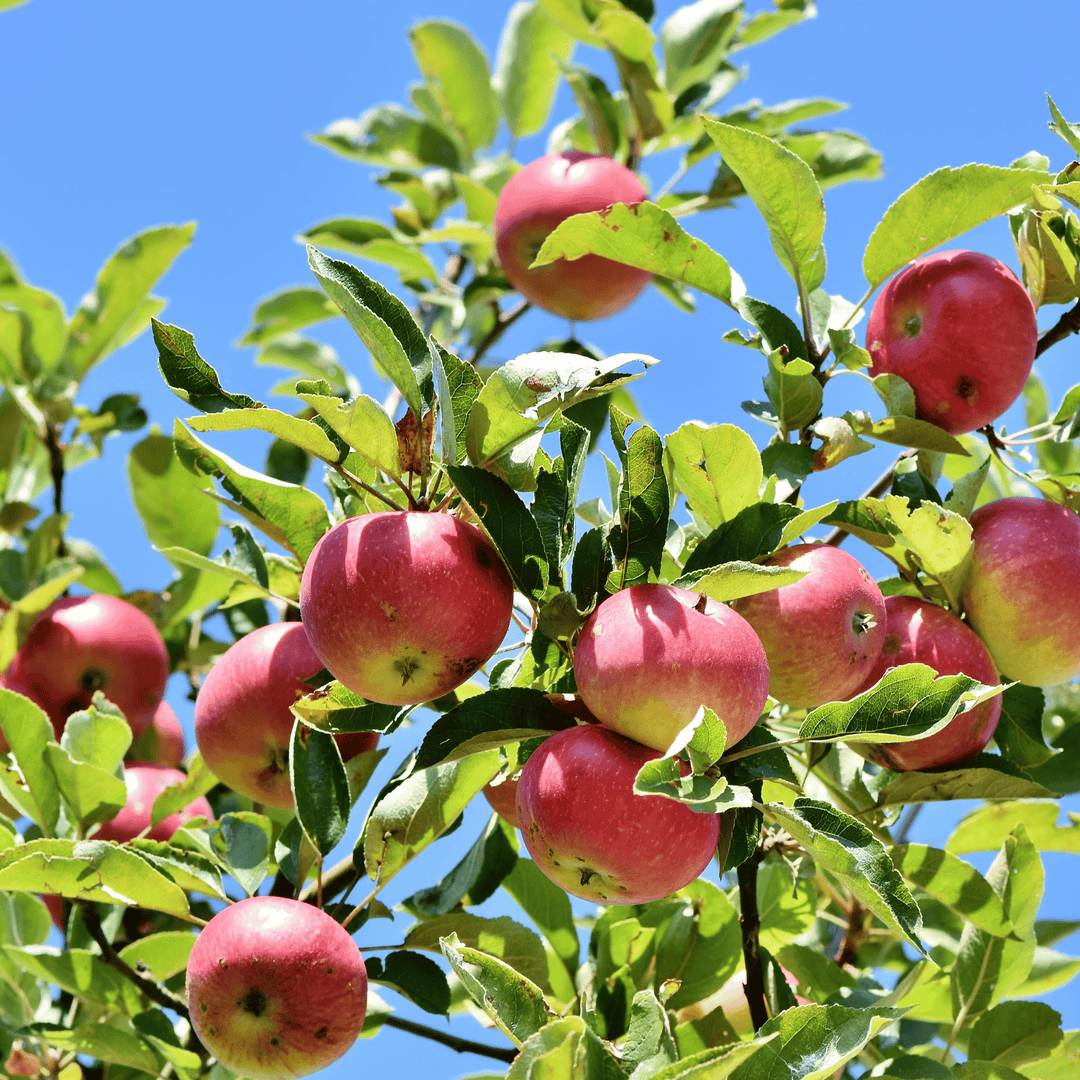
Followed in mid-to-late summer by heavy crops of small-to-medium, brilliant golden-yellow cherries with clear, firm flesh.
Foliage:
Pointed, ovate dark green leaves form a lush, dense canopy throughout the growing season.
Foliage transitions to a clean, bright golden-yellow color in the late autumn before dropping.
Shape and Growth:
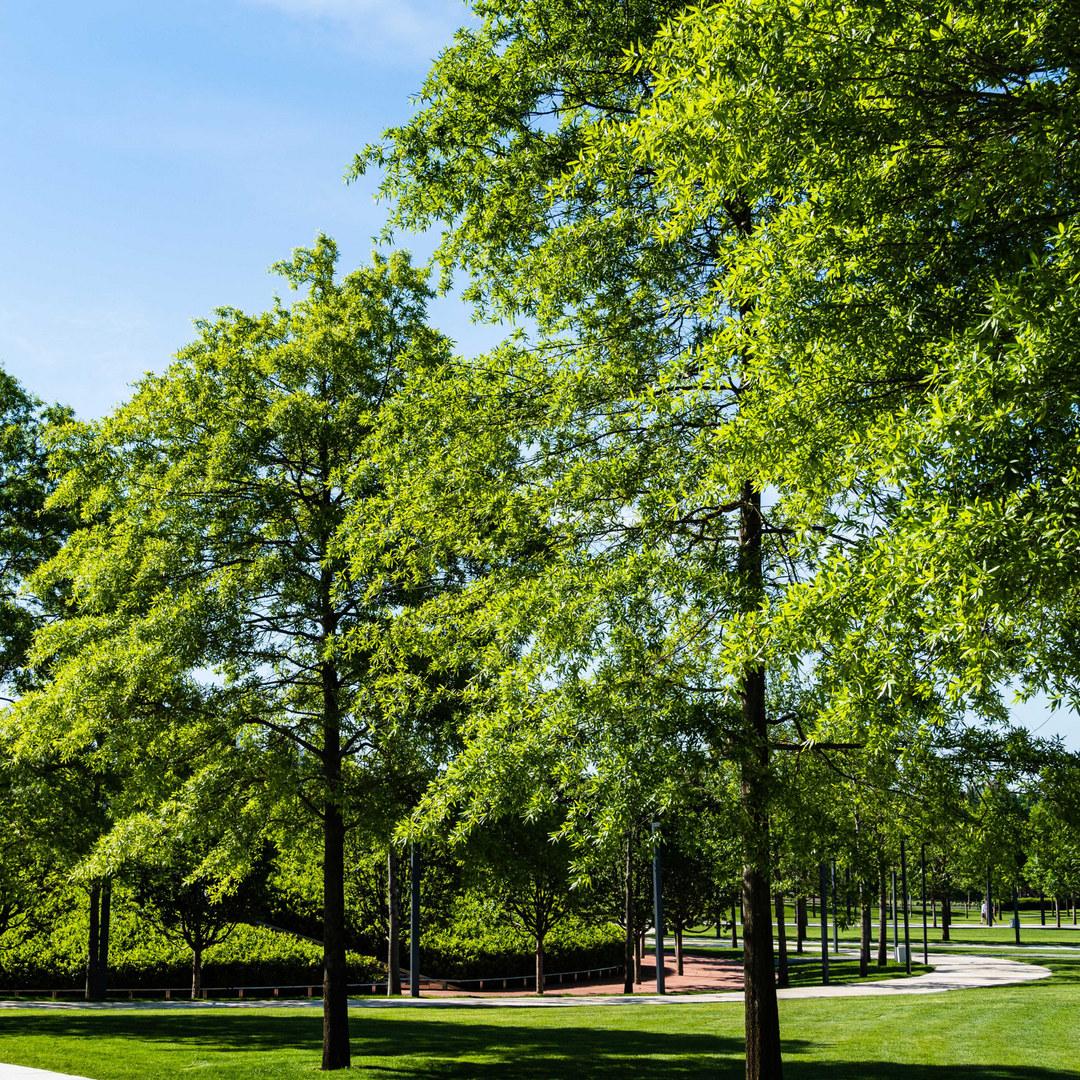
Features a vigorous, upright growth habit that naturally rounds out at maturity into a handsome crown.
Typically matures at 12–15 feet tall and wide on common semi-dwarf rootstocks, or up to 20 feet on standard rootstocks. It is a self-incompatible variety that requires a companion pollinator tree.
Fruit Characteristics:
Produces highly flavorful, firm, and succulent fruit with a perfectly balanced sweet and tangy flavor.
The unique golden-yellow skin is highly resistant to rain-induced cracking. Crucially, because birds primarily search for red fruit, they tend to leave these yellow cherries completely alone, resulting in a much higher harvest yield for the grower.
Adaptability:
Celebrated as one of the single most cold-hardy sweet cherry cultivars in existence, safely surviving extreme winter temperatures down to -30°F. Thrives across USDA Zones 4–7.
Landscape Use:
An exceptional double-duty tree for home orchards, large yards, and edible landscapes. Its brilliant spring blooms provide massive ornamental appeal, while its extreme cold resilience and bird-resistant fruit make it a highly rewarding, low-stress food source.