


Cherry, Fruiting, Meteor
- In stock, ready to ship
- Backordered, shipping soon
Tree Care:
Planting:
Location: Thrives in full sun with well-draining soil. It is more tolerant of different soil types than sweet cherries but still requires good drainage.
Process: Dig a hole twice the width of the root ball and just as deep. Since it is a dwarf variety, it is perfect for large containers or tight garden spaces.
Watering:
Early Growth: Keep the soil consistently moist for the first year.
Fruiting: Sour cherries like 'Meteor' have a high water content. Ensure the tree gets deep soakings during the summer to prevent the fruit from shriveling before it ripens.
Fertilizing:
Timing: Apply a balanced fertilizer (10-10-10) in early spring before new growth starts.
Dosage: Be careful not to over-fertilize young trees; a light touch is better to avoid burning the shallow root system.
Pruning:
Method: Use the "Open Center" method. Sour cherries fruit on one-year-old wood, so keeping the canopy thin allows sunlight to stimulate new growth for next year's crop.
Timing: Prune in late winter while the tree is dormant.
Pest and Disease Control:
Resistance: 'Meteor' is notably resistant to leaf spot, a common fungal issue for cherries.
Wildlife: Like all cherries, birds will be your biggest competition. Since the tree is small, it is very easy to cover with bird netting.
Winter Care:
Hardiness: This tree is a "polar bear"—it is extremely cold-hardy (down to Zone 4).
Mulching: Apply a thick layer of wood chips around the base in late fall to regulate soil temperature.
Tree Description:
Appearance:
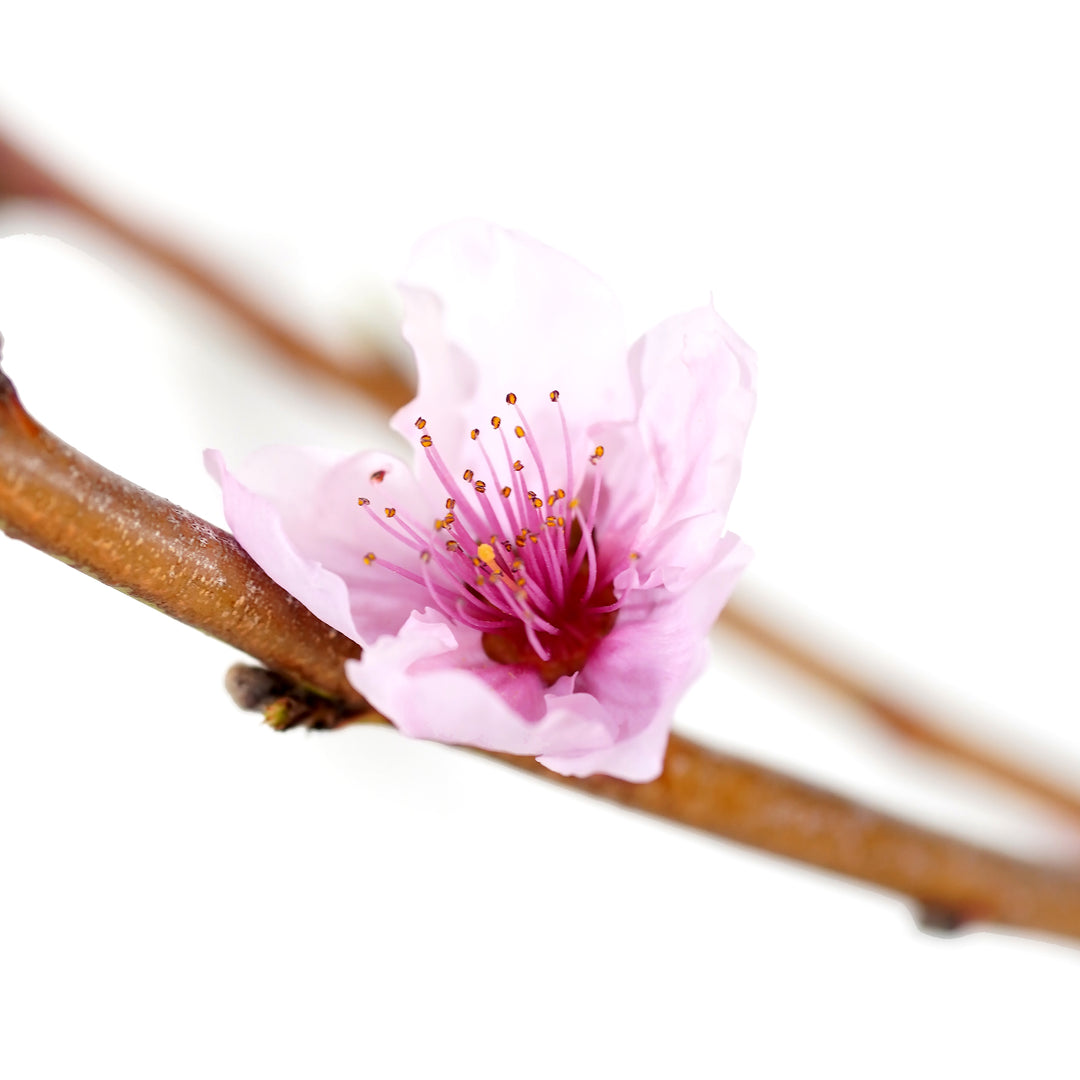
Flowers: Masses of small, bright white flowers appear in mid-to-late spring, usually late enough to avoid most frost damage.
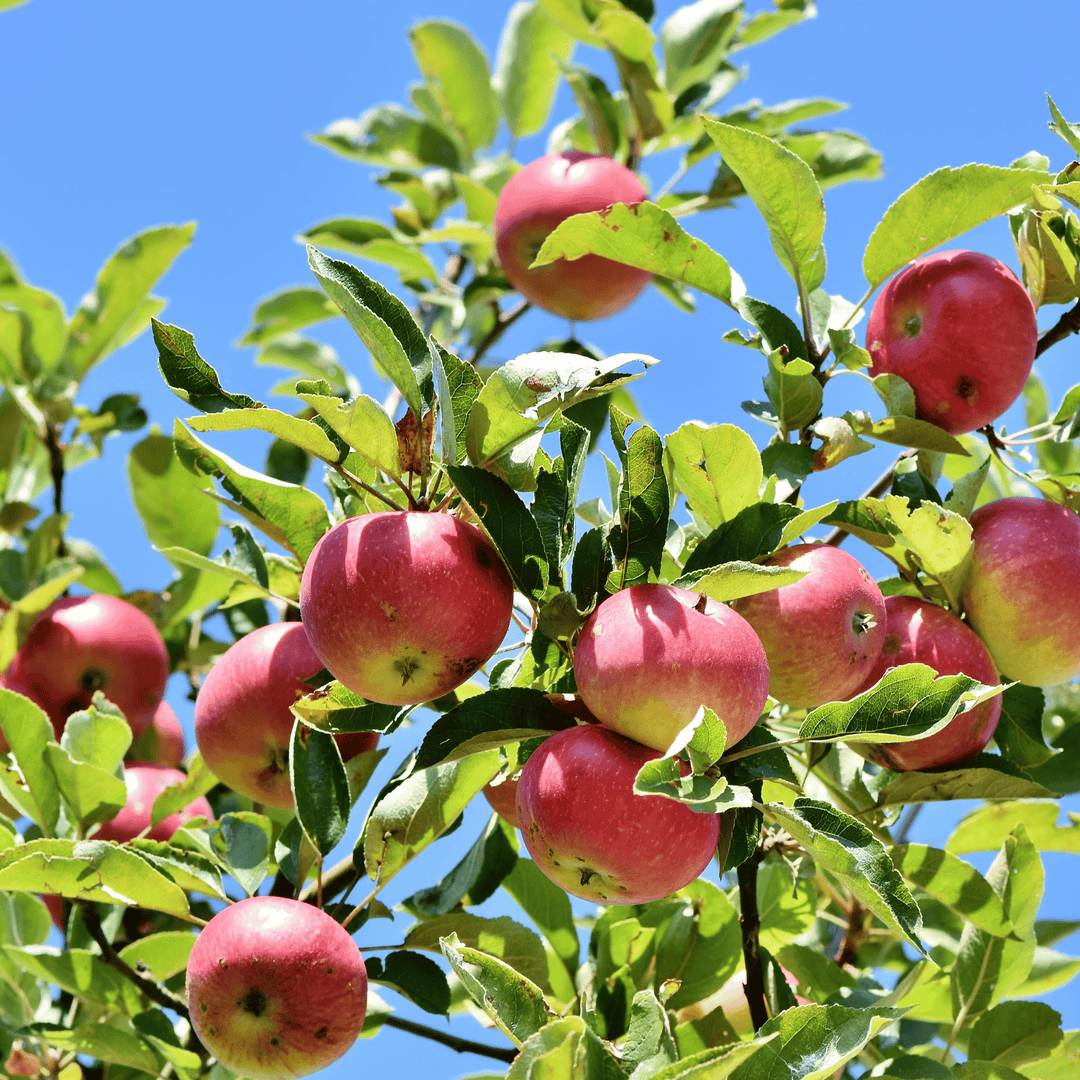
Fruit: Large, bright red, glowing fruit that hangs in heavy clusters. The juice inside is clear, which is a hallmark of the "Amarelle" type sour cherry.
Foliage:
Leaves: Finely serrated, dark green leaves that are slightly smaller and more delicate-looking than those of sweet cherry trees.
Shape and Growth:
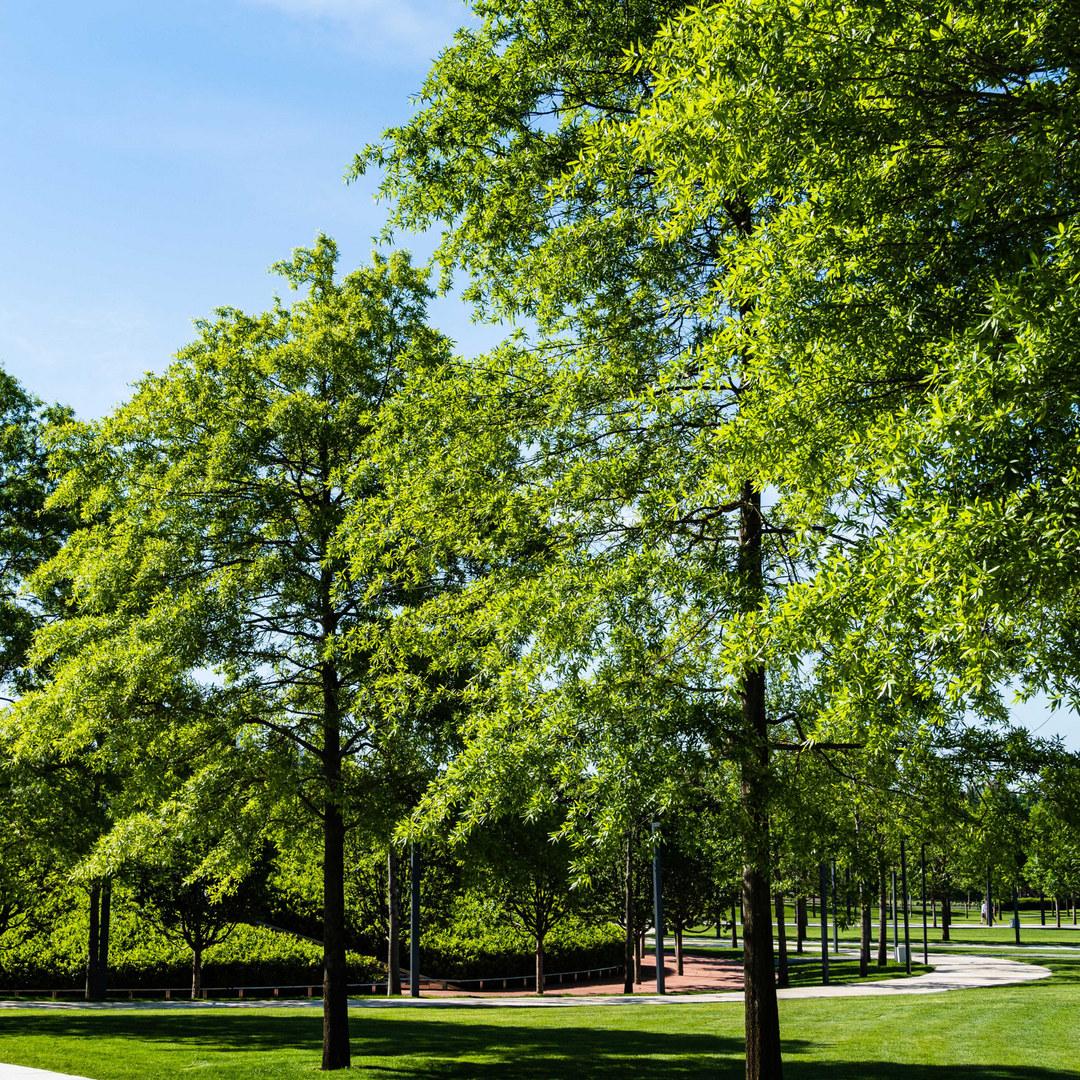
Habit: A genetic dwarf with an upright, compact, and rounded crown.
Size: Stays naturally small, usually reaching only 10–14 feet at maturity, making harvest a breeze without a ladder.
Self-Fertility: It is 100% self-fertile; you only need one tree to get a full crop.
Fruit Characteristics:
Flavor: Tart and acidic when eaten fresh, but it develops a rich, complex sweetness when cooked.
Usage: Widely considered the gold standard for cherry pies, preserves, and juices. The pits are relatively small, giving you more "meat" per cherry.
Adaptability:
Climate: Specifically designed for the Upper Midwest and Northern climates, though it performs well anywhere that meets its 800+ chill hour requirement.
Landscape Use:
Versatility: Because of its small stature and beautiful spring bloom, it works perfectly as a border tree, a patio specimen, or even a hedge. It provides the beauty of an ornamental cherry with the bonus of a massive harvest.