


Peach, Early Elberta
- In stock, ready to ship
- Backordered, shipping soon
Tree Care:
Planting:
Choose a full sun location that receives at least 6–8 hours of direct sunlight daily to optimize fruit size and sweetness. Dig a hole twice the width of the root ball and to the same depth.
Prefers rich, loamy, and exceptionally well-draining soil with an ideal pH of 6.0–7.0. Avoid low-lying areas where standing water accumulates. While entirely self-fertile, cross-pollination with another mid-season peach tree can maximize total crop yield.
Watering:
Provide deep, regular watering 1–2 times a week for newly planted trees to establish a robust, deep root system.
For mature trees, maintain consistent soil moisture throughout the summer. Give the tree extra deep soakings during the fruit-swell phase right before harvest to maximize juice and fruit plumpness.
Fertilizing:
Apply a balanced, slow-release fruit tree fertilizer in early spring just before the flower buds begin to break dormancy.
Avoid applying high-nitrogen or late-summer fertilizers, which can prompt weak, succulent branch growth that is highly susceptible to winter frost damage.
Pruning:
Prune annually in late winter or early spring while the tree is dormant.
Train the tree using the open-center or vase pruning method by clearing out the central leader. This allows sunlight to penetrate deep into the canopy, which is vital for ripening the lower branches and preventing fungal issues.
Pest and Disease Control:
Routinely monitor for common peach issues such as peach leaf curl, brown rot, and bacterial spot.
Apply a preventative dormant copper fungicide spray in late winter before the buds swell to drastically reduce fungal risks. Keep the orchard floor clear of fallen leaves and mummified fruit.
Winter Care:
Apply a 3-inch layer of organic mulch over the root zone in late autumn to insulate the roots against freezing temperatures, keeping it clear of the trunk bark.
This variety requires roughly 600–750 winter chill hours (temperatures between 32°F and 45°F) to properly break dormancy and flower in the spring, making it highly reliable for northern climates.
Tree Description:
Appearance:
Erupts in early spring with a stunning, fragrant blanket of showy pink blossoms that decorate the bare branches before leaves emerge.
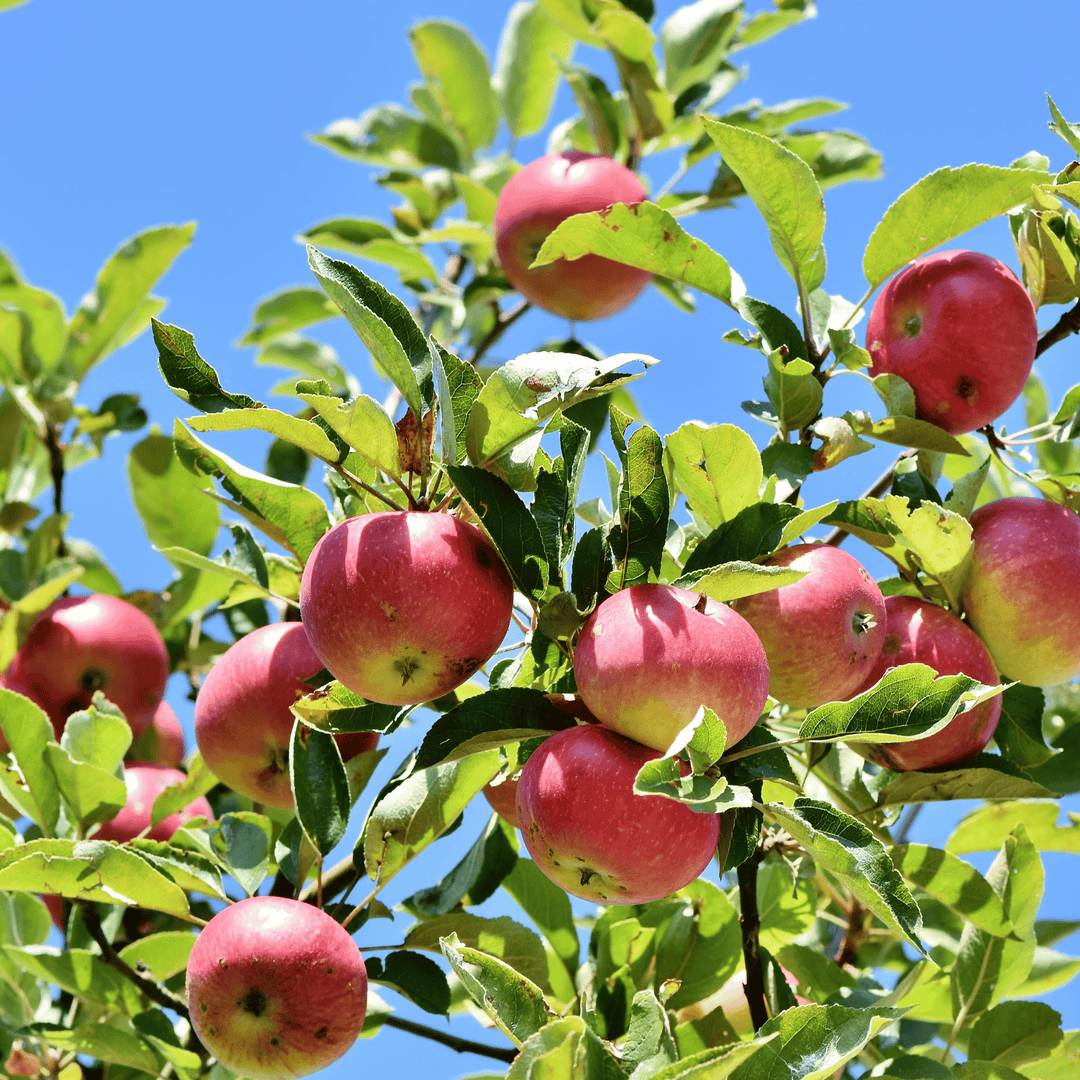
Followed in mid-summer by heavy crops of large, uniformly round peaches with a bright golden-yellow skin highlighted by a soft red blush.
Foliage:
Slender, lance-shaped, dark green leaves form a dense, vibrant canopy throughout the spring and summer months.
Foliage turns a clean, uniform golden-yellow in the autumn before dropping.
Shape and Growth:
Displays a vigorous, upright-to-spreading growth habit that matures into a broad, rounded crown.
Grows at a moderate-to-fast rate, typically reaching a highly manageable mature size of 12–15 feet tall and wide on semi-dwarf rootstocks, or up to 20 feet on standard rootstocks.
Fruit Characteristics:
An improved, early-ripening variant of the world-famous heirloom Elberta. It is a true freestone variety, meaning the firm, melting yellow flesh separates cleanly from the pit.
Ripens 10 to 14 days earlier than standard Elberta (typically mid-July), offering an exceptional balance of rich sweetness and mild acidity. Highly prized as the premier peach for canning, freezing, and fresh baking because its firm flesh retains its shape perfectly.
Adaptability:
Renowned as the most cold-hardy of all the Elberta strains, showing excellent frost tolerance during late-spring cold snaps. Thrives effortlessly across USDA Zones 5–9 and handles a wide variety of soil textures.
Landscape Use:
An exceptional choice for edible landscaping, home orchards, and sunny backyards. Its spectacular spring bloom provides enormous ornamental value, while its early harvest window lets growers beat the late-summer rush of common fruit pests.