


Redbud, Hearts A'Fire®
- Low stock - 6 items left
- Backordered, shipping soon
Tree Care:
Planting:
Location: Select a spot with full sun to partial shade. In hotter southern climates, afternoon shade helps protect the vibrant foliage from scorching.
Soil: Dig a hole twice as wide as the root ball and to the same depth. Ensure the soil is rich, moist, and exceptionally well-draining, as redbuds hate standing water.
Watering:
Establishment: Water newly planted trees deeply 1–2 times a week for the first growing season to build a resilient root system.
Routine: Once established, they can handle average weather, but give the tree a thorough soaking during prolonged dry summer spells.
Fertilizing:
Timing: Apply a balanced, slow-release or high-phosphorus fertilizer in early spring before the flower buds open.
Caution: Avoid heavy nitrogen fertilizers, which push excessive leaf growth at the expense of flower buds and can dull the foliage colors.
Pruning:
Timing: Only prune in late spring or early summer immediately after the tree finishes blooming. Pruning in winter will cut off the dormant flower buds.
Method: Minimal pruning is needed. Simply remove dead, damaged, or crossing branches to maintain its naturally neat shape.
Pest and Disease Control:
Resistance: This cultivar is highly resistant to powdery mildew.
Monitoring: Watch for leaf spot or cankers. Keep the canopy thin enough for good airflow and clear away fallen leaves to prevent fungal issues.
Winter Care:
Root Protection: Apply a 3-inch layer of wood mulch around the base in late autumn to insulate the roots, keeping it a few inches away from the trunk.
Hardiness: Hardy in USDA Zones 5–9. Young trees may experience minor tip-dieback in harsh winters but recover quickly in spring.
Tree Description:
Appearance:
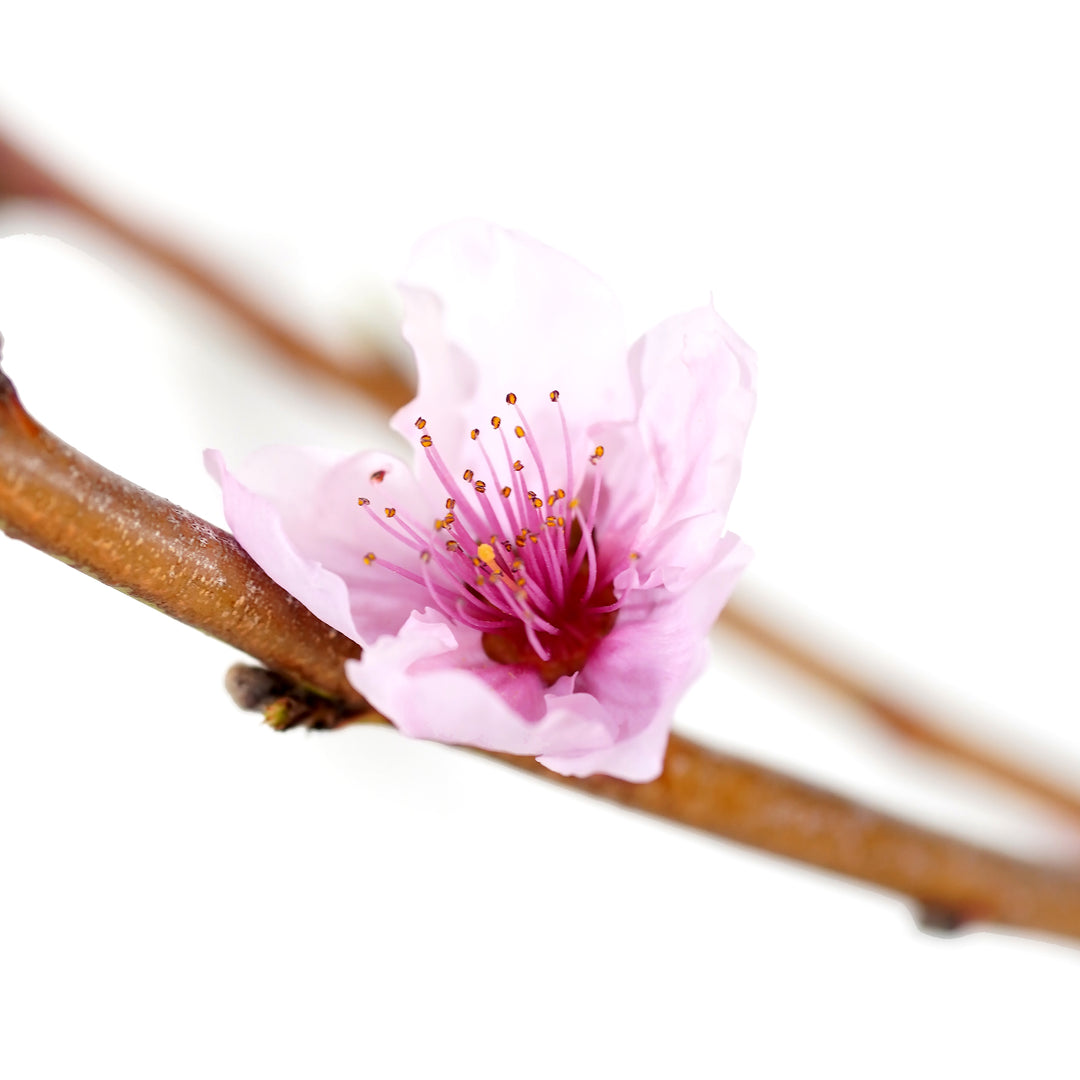
Flowers: Erupts in early spring with dense clusters of small, lavender-pink, pea-like blossoms that blanket the bare branches before leaves emerge.
Bark: Smooth, dark gray bark that coordinates perfectly with the multi-colored canopy.
Foliage:
Color Explosion: Dramatic heart-shaped leaves emerge in a fiery, shifting blend of burgundy-red, tangerine-orange, and warm gold.
Maturation: Leaves mature to a unique dark bronze-green in summer, though new flushes of growth continue to pop with bright color. Turns a clean yellow in autumn.
Shape and Growth:
Habit: A compact, upright, and well-branching deciduous understory tree with a rounded crown.
Size: Stays beautifully small and manageable, reaching a mature height and spread of just 10–15 feet.
Adaptability:
Resilience: Highly versatile tree that adapts well to clay, loam, or sandy soils as long as drainage is adequate. It is also tolerant of juglone from nearby black walnut trees.
Landscape Use:
Placement: The ultimate focal point for small yards, patios, courtyards, or mixed garden borders where space is limited but high visual impact is desired.