Tree Care:
Planting:
Choose a sunny, well-drained location.
Dig a hole twice the width of the root ball and at the same depth.
Water deeply after planting.
Watering:
Keep soil consistently moist during the first growing season.
Water deeply when the soil is dry to the touch, but avoid overwatering.
Provide extra water in dry spells.
Fertilizing:
Use a balanced, slow-release fertilizer in early spring.
Avoid excessive fertilization.
Pruning:
Prune for shape and remove dead branches.
Lightly prune after flowering.
Mulching:
Apply mulch for moisture retention and weed control.
Keep mulch away from the trunk.
Pest and Disease Control:
Monitor for pests like aphids and diseases like powdery mildew.
Apply controls as needed.
Flowering:
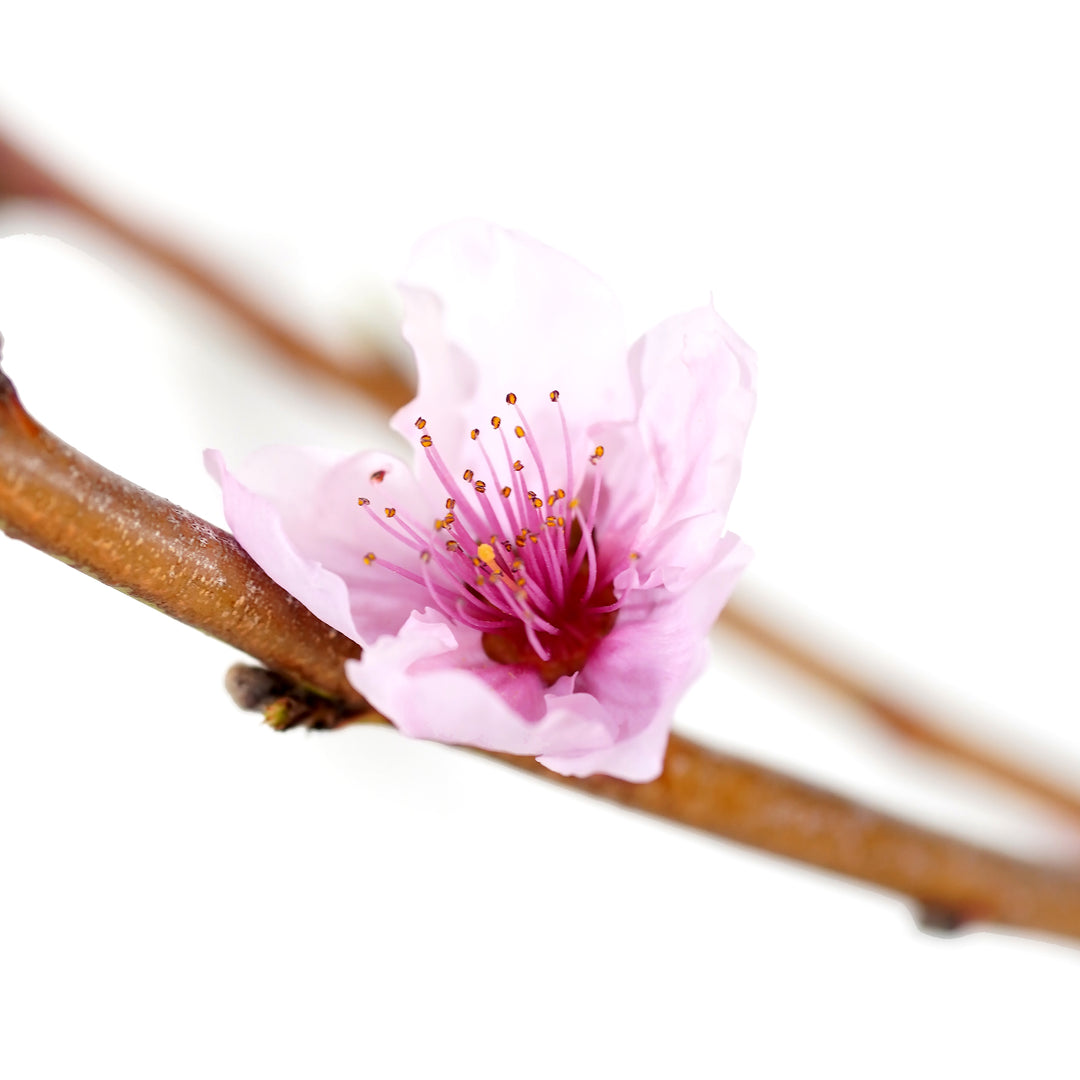
Enjoy the beautiful pink or white spring blooms.
These trees are primarily ornamental.
Winter Care:
Protect from harsh winter conditions.
Mulch for root insulation.
Prune in late winter to remove damaged branches.
Tree Description:
Size and Shape:
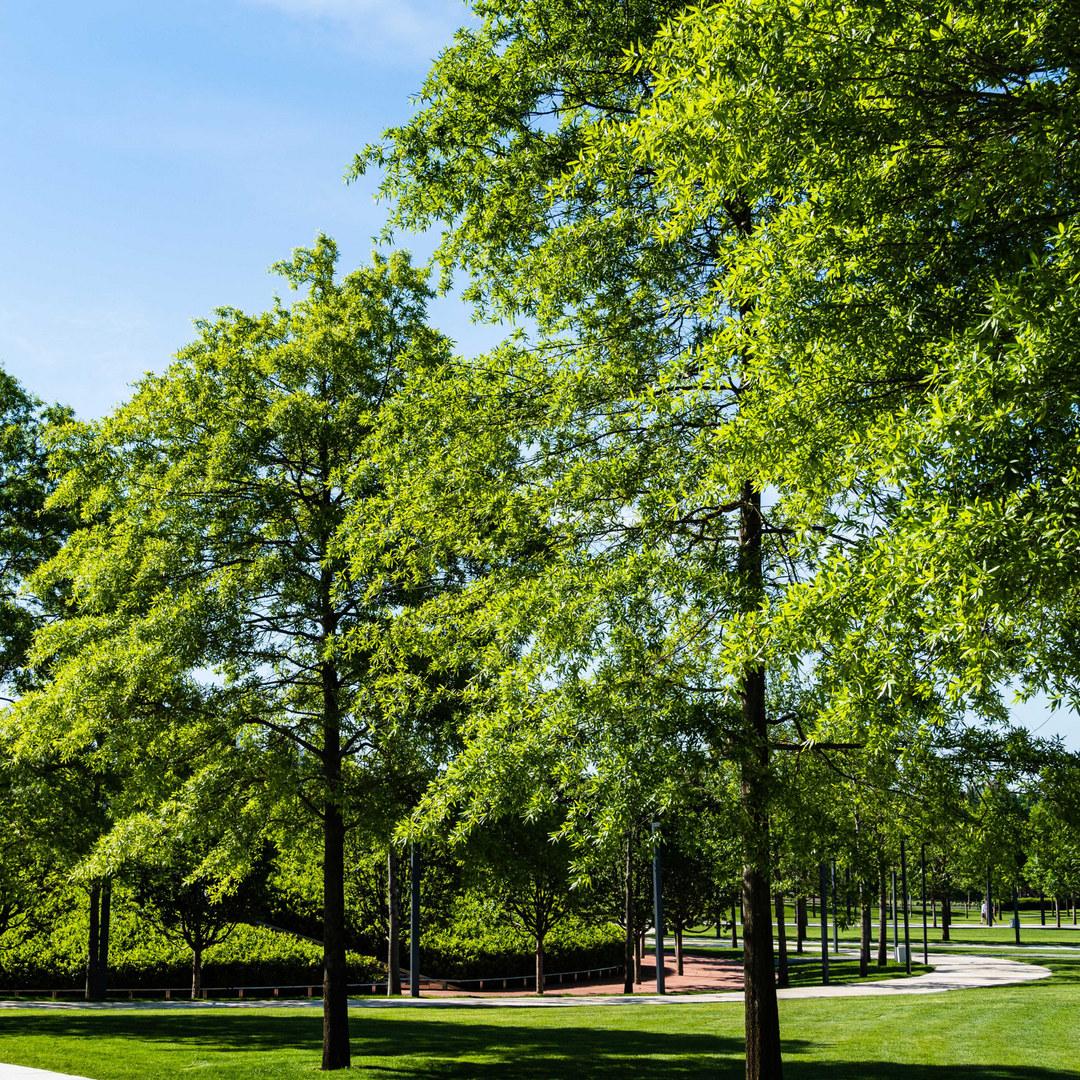
Small to medium-sized with a rounded, bushy shape.
Leaves:
Simple, serrated leaves, typically green, turning yellow or red in fall.
Flowers:
Fragrant pink or white blossoms in early spring.
Fruit:
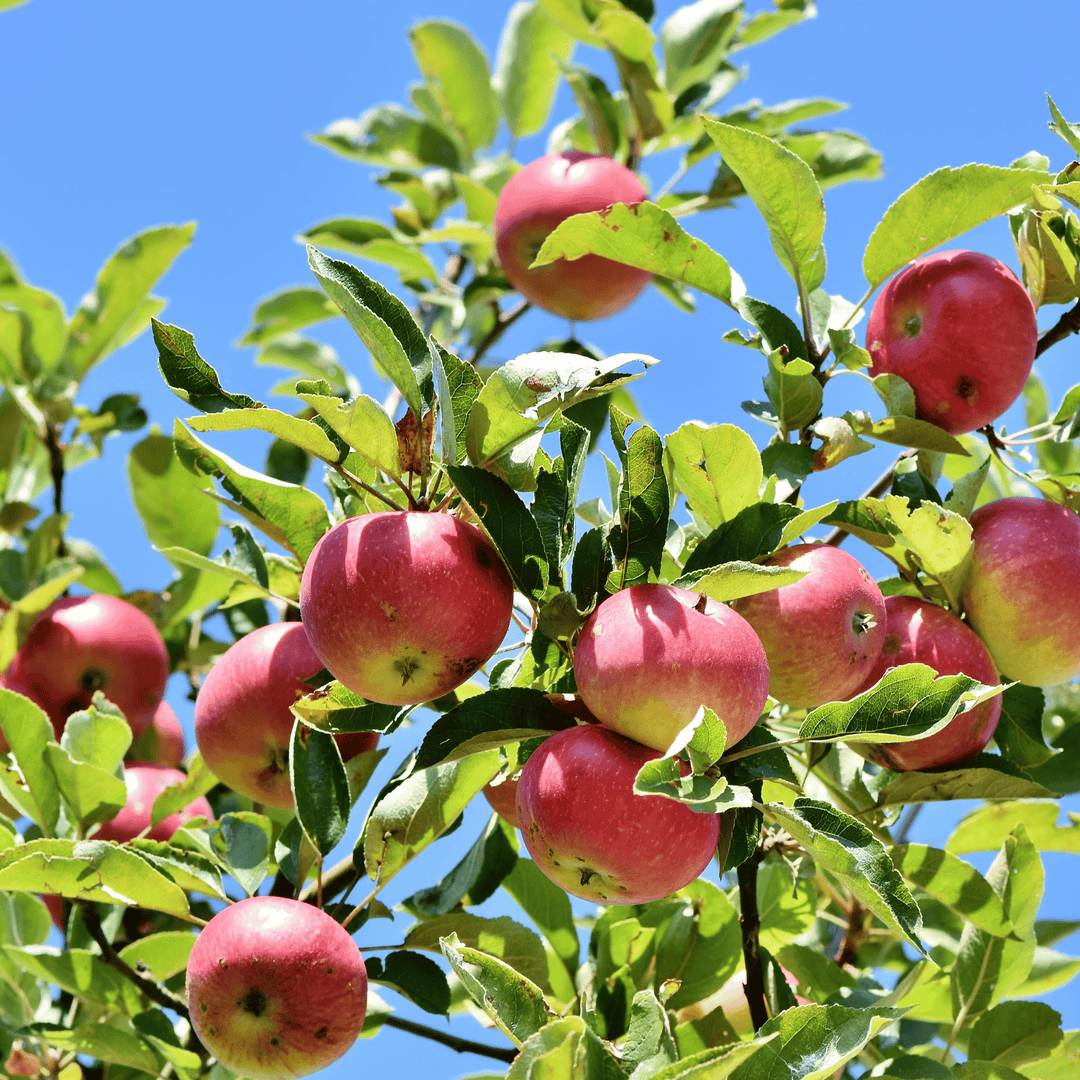
Small cherry-sized fruits, not typically consumed by humans.
Hardiness:
USDA zones 4 to 7.
Cultural Care:
Well-draining soil, full sun to partial shade.
Regular watering during establishment.
Prune for shape and size.
Fertilize in early spring.
Landscape Use:
Grown for ornamental spring blooms.
Suitable for gardens, landscapes, or as focal points in smaller yards.