




Crabapple, Prairie Fire
- In stock, ready to ship
- Backordered, shipping soon
Tree Care:
Planting:
Choose a full sun location with well-draining soil. Dig a hole twice the width of the root ball and to the same depth. Add compost if planting in poor or heavily compacted soil.
Watering:
Deep water newly planted trees weekly during the first growing season. Once established, they are quite drought-tolerant but benefit from regular watering during extended dry spells to support fruit development.
Fertilizing:
Apply a balanced, slow-release fertilizer in early spring before new growth begins. Avoid excess nitrogen, which can encourage weak, succulent wood that is more susceptible to disease.
Pruning:
Shape the tree in late winter or early spring while it is still dormant. Remove any dead, diseased, or crossing branches, and clear out vertical water sprouts to maintain good air circulation.
Pest and Disease Control:
Highly resistant to common apple diseases like scab, cedar-apple rust, fire blight, and powdery mildew. Periodically check for aphids or tent caterpillars and treat promptly if found.
Winter Care:
Apply a 3-inch layer of mulch around the base for root insulation, keeping it away from the trunk. Use a tree guard on young trunks to prevent damage from hungry rabbits or voles.
Tree Description:
Appearance:
Striking, vibrant dark pink to crimson flower clusters smother the branches in mid-spring.
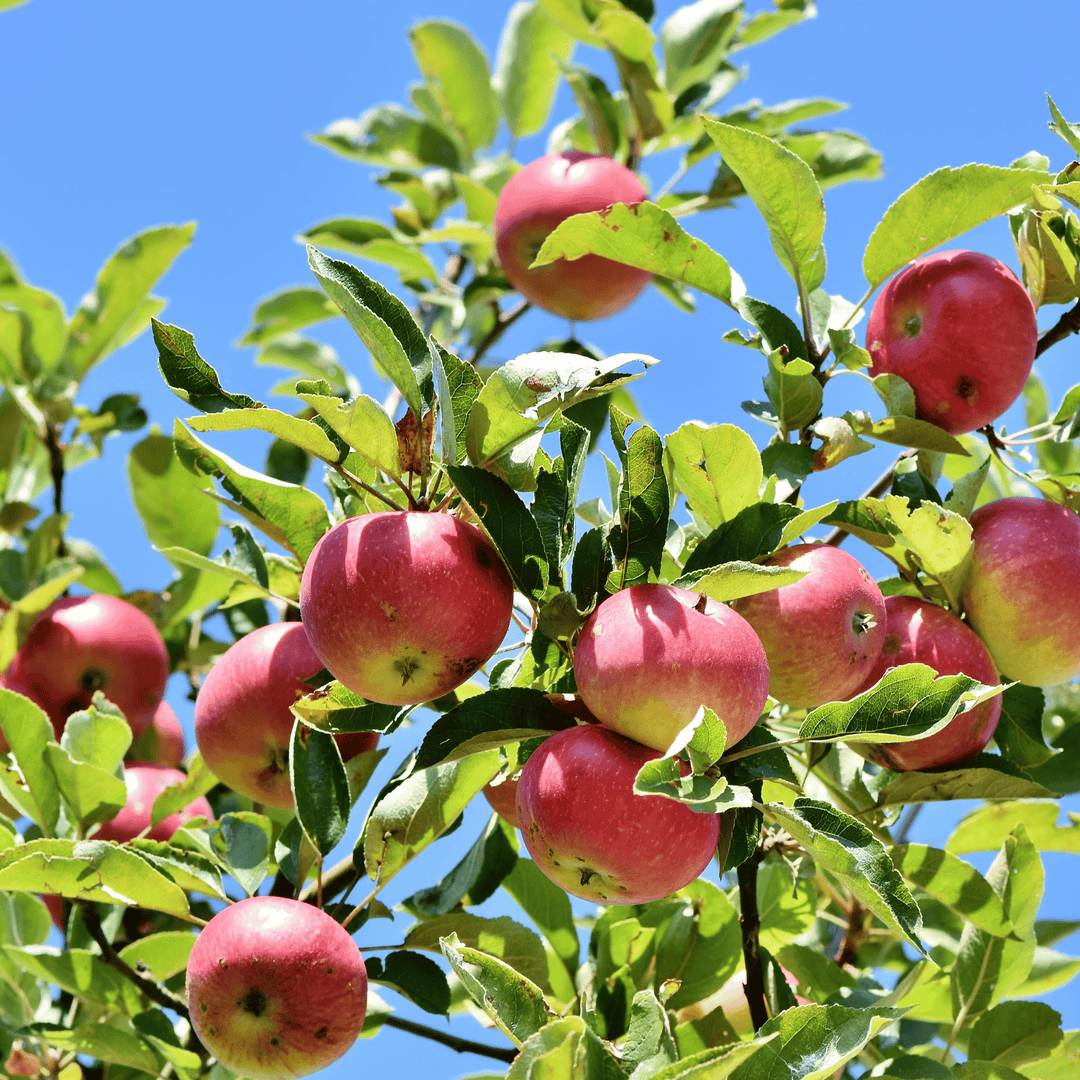
Followed by small, shiny, dark red-purple ornamental fruits that persist into winter, providing a vital food source for birds.
Small to medium-sized deciduous tree with attractive reddish-brown bark that matures to a glossy gray-brown.
Foliage:
Leaves emerge a rich purple-red in spring, maturing to a dark green with distinct purplish veins.
Turns an attractive mix of orange, bronze, and purple in the fall.
Shape and Growth:
Features an upright, branching habit when young that matures into a neat, rounded, and spreading crown.
Grows at a moderate rate, typically reaching 15–20 feet tall and wide at maturity.
Adaptability:
Celebrated for its exceptional disease resistance compared to older crabapple varieties. Thrives in a wide range of soil types, handles urban pollution well, and is highly heat and cold tolerant.
Landscape Use:
Ideal as a standalone landscape specimen, street tree, or accent in wildlife gardens where both its dramatic seasonal color and wildlife-attracting berries can be appreciated.