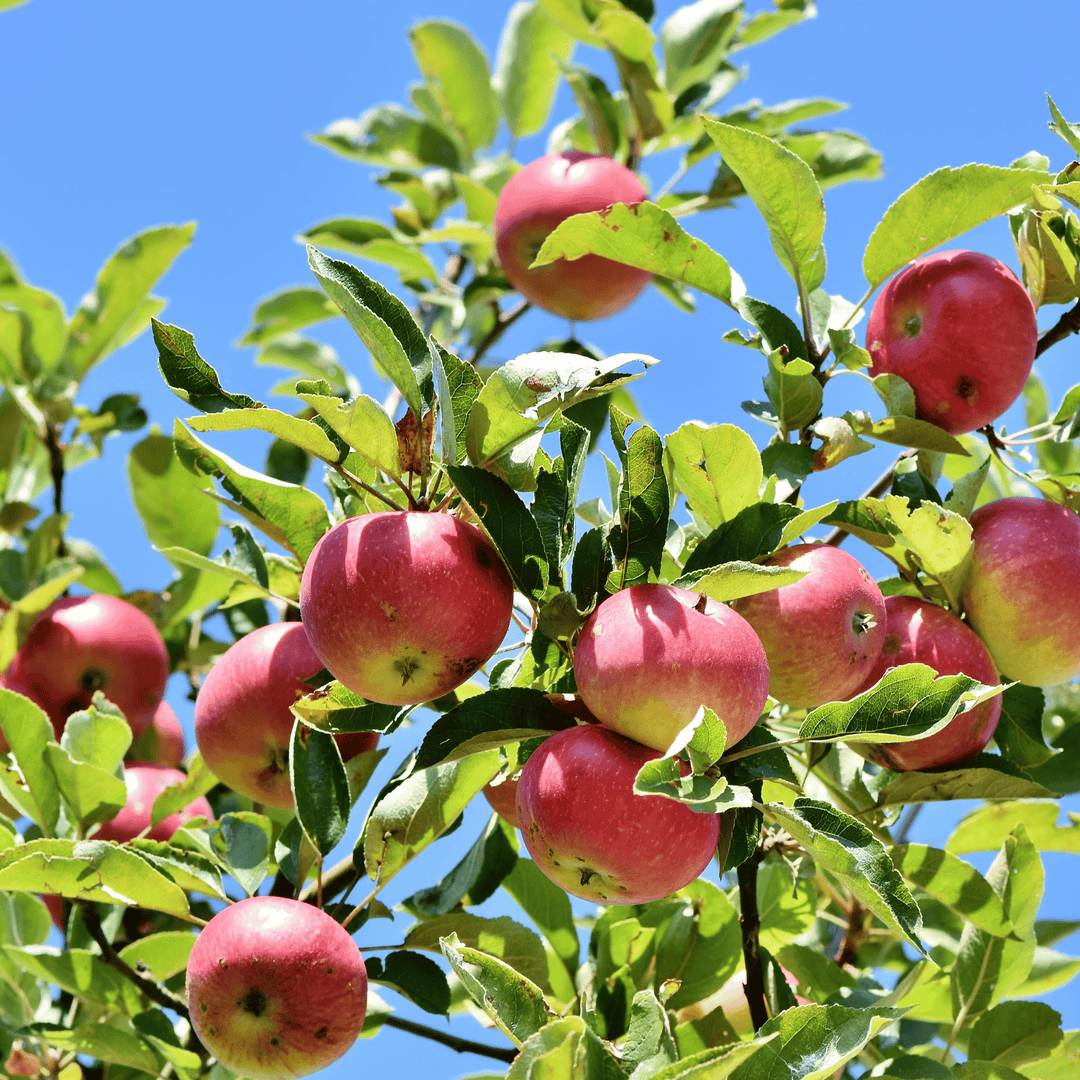





Lingonberry, Red Candy
- In stock, ready to ship
- Backordered, shipping soon
Tree Care:
Planting:
Choose a full sun to partial shade location with highly acidic, well-draining soil. Dig a hole twice the width of the root ball and to the same depth. Incorporate peat moss or composted pine bark to optimize soil acidity.
Watering:
Water newly planted shrubs regularly to keep the soil evenly moist during the first growing season. Established plants need consistent moisture to produce juicy berries but cannot tolerate soggy, waterlogged conditions.
Fertilizing:
Apply a light application of an acidic fertilizer (such as a blueberry or azalea mix) in early spring. Avoid excess nitrogen, which can damage the shallow root system and inhibit fruit production.
Pruning:
Requires very minimal pruning. In late winter or early spring, lightly trim away any dead wood or clip the tips to maintain a tidy shape and encourage fresh fruiting wood.
Pest and Disease Control:
Generally free of serious pests and diseases. Watch for root rot in poorly draining soils or occasional aphids on new growth, and treat promptly if noticed.
Winter Care:
Apply a layer of pine needles or wood chip mulch around the base for insulation and to help maintain soil acidity. While exceptionally cold-hardy, a winter mulch protects their shallow roots from frost heaving.
Tree Description:
Appearance:
Clusters of dainty, bell-shaped white-to-pink flowers blanket the plant in spring and summer.
Followed by a heavy crop of bright, shiny red berries that ripen in late summer and persist into the winter.
Foliage:
Small, glossy, boxwood-like dark green leaves that remain evergreen, providing vibrant year-round color.
Shape and Growth:
A dwarf, compact, and mounding evergreen shrub that spreads slowly via underground runners to form a dense, low-growing mat.
Reaches a highly manageable mature size of just 6–8 inches tall and 10–12 inches wide.
Adaptability:
An incredibly tough northern plant that is extremely cold-hardy, thriving down to USDA Zone 3. It adapts beautifully to poor, sandy, or peat-rich soils provided the pH remains low.
Landscape Use:
Ideal as an edible groundcover, low border accent, or rock garden feature. Its neat, compact form also makes it an excellent choice for patio containers and mixed woodland gardens.