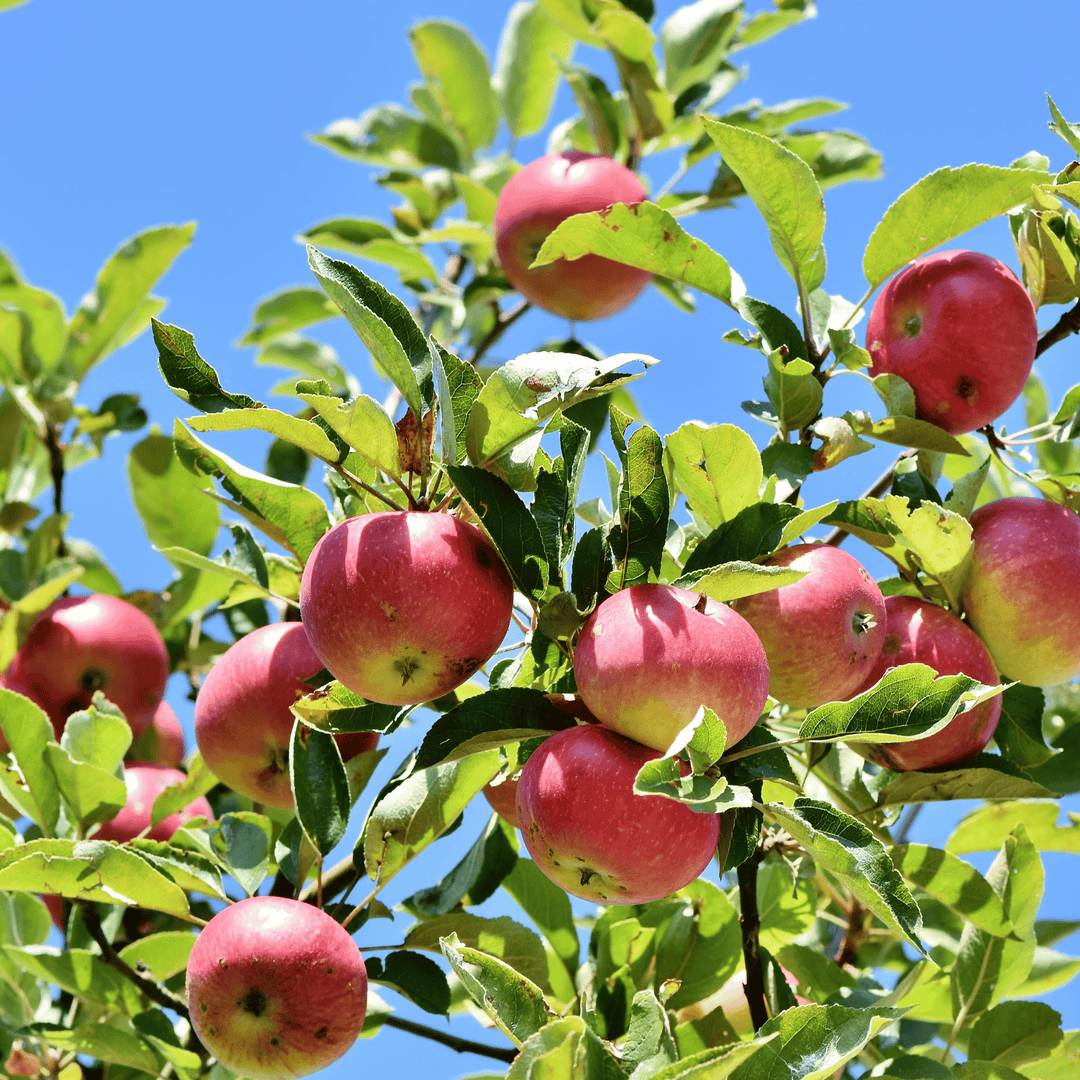
Tree Care:
Planting: Well-draining soil, partial shade or dappled sun, 15 feet apart.
Soil: Slightly acidic to neutral, loamy or sandy.
Watering: Keep soil consistently moist, avoid waterlogged conditions.
Fertilizing: Apply balanced, slow-release fertilizer in early spring.
Pruning: Generally not required for fruit production.
Pest and Disease Control: Monitor for issues and apply controls if needed.
Mulching: Use mulch to retain soil moisture and suppress weeds.
Pollination: Plant multiple distinct pawpaw varieties for proper cross-pollination.
Harvesting: Pick ripe fruit, which is slightly yielding to the touch, and consume promptly.
Pawpaw trees are relatively low-maintenance and offer delicious, custard-like fruit once established, making them a unique and rewarding addition to your garden.
Tree Description:
Size: Small, 15-30 feet tall with a rounded crown.
Leaves: Large, dark green, simple, elongated.
Flowers: Unique maroon-colored, pungent flowers.
Fruit: Distinct "custard apple" with sweet, tropical-flavored flesh.
Bark: Smooth, grayish-brown with mottled patterns.
Habitat: Native to the eastern United States, found in woodlands and along riverbanks.
Ecological Significance: Supports wildlife, particularly the zebra swallowtail butterfly, and enriches soil.
Pawpaw trees are known for their distinctive appearance, unique fruit, and ecological importance in North American landscapes.