




Peach, Julyprince
- In stock, ready to ship
- Backordered, shipping soon
Tree Care:
Planting:
Location: Choose a spot with full sun (6–8 hours minimum) and well-draining, slightly acidic soil.
Watering:
Establishment: Water deeply 2–3 times a week for the first growing season.
Fruit Production: Once established, increase watering during "fruit swell" (the weeks before harvest) to ensure juicy, large peaches. Avoid overhead watering to prevent fungal issues.
Fertilizing:
Timing: Apply a balanced 10-10-10 fertilizer in early spring before new growth begins.
Caution: Avoid fertilizing in late summer, as this encourages soft new growth that can be damaged by early frosts.
Pruning:
Method: Prune in late winter while dormant. Use the "Open Center" (Vase) method to allow sunlight and airflow into the middle of the tree.
Maintenance: Remove "suckers" from the base and any vertical "water sprouts" that won't produce fruit.
Pest and Disease Control:
Common Foes: Watch for Brown Rot (on fruit) and Peach Leaf Curl.
Prevention: Use a dormant spray (copper-based fungicide) in late winter. Keep the area under the tree clear of fallen fruit and leaves to discourage pests like the Plum Curculio.
Winter Care:
Protection: Apply a thick layer of wood chip mulch around the base (keeping it away from the bark) to insulate roots.
Trunk Guard: In areas with harsh winters, use a white tree wrap to prevent "sunscald" on the trunk.
Tree Description:
Appearance:
Flowers: Showy, fragrant pink blossoms that blanket the tree in early spring (a bit earlier than many other varieties).
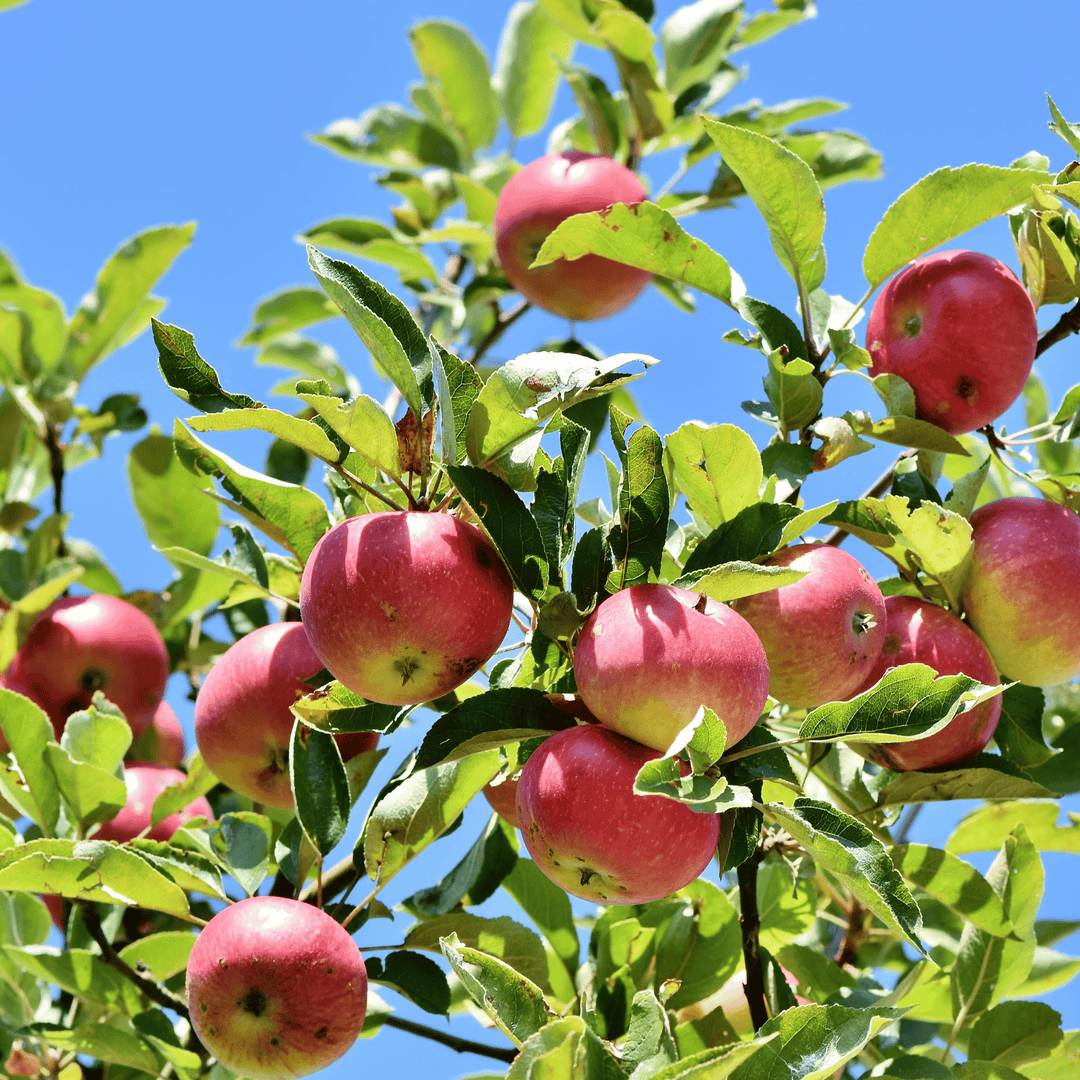
Fruit: Large, round peaches with a deep red blush over a yellow background. The skin is smooth with very little fuzz.
Foliage:
Leaves: Long, lance-shaped, vibrant green leaves that provide a lush canopy throughout the summer.
Shape and Growth:
Habit: A vigorous, upright-to-spreading grower. It typically reaches 12–15 feet at maturity but can be kept smaller with pruning.
Chill Hours: Requires approximately 800–850 chill hours, making it perfect for mid-latitude climates.
Fruit Characteristics:
Flesh: Firm, yellow, and melting. It is a freestone variety, meaning the pit pulls away easily from the flesh.
Flavor: Exceptionally sweet with just enough acidity to keep it complex. It is widely considered one of the best-tasting mid-season peaches.
Adaptability:
Climate: Developed by the USDA to be particularly hardy and resistant to bacterial spot, making it a "tougher" choice for home gardeners than older heirloom varieties.
Landscape Use:
Versatility: While primarily an orchard tree, its spectacular spring bloom and dark green summer foliage make it a beautiful edible landscape specimen for backyards.