


Peach, Elberta
- In stock, ready to ship
- Backordered, shipping soon
Tree Care:
Planting:
Choose a full sun location that receives at least 6–8 hours of direct sunlight daily. Dig a hole twice the width of the root ball and to the same depth.
Prefers fertile, sandy loam that drains exceptionally well; peaches will suffer quickly from root rot in heavy, standing water. While it is entirely self-fertile, planting another peach nearby can increase the overall crop size.
Watering:
Water newly planted trees deeply 1–2 times a week during their first growing season to establish a deep, resilient root system.
For established trees, ensure consistent moisture during the summer fruit-swell phase to guarantee juicy, plump peaches. Avoid shallow, frequent watering which promotes weak, surface-level roots.
Fertilizing:
Apply a balanced, slow-release fruit tree fertilizer in early spring before the flower buds open.
Avoid heavy nitrogen applications later in the summer, as this encourages excessive leaf and branch growth that steals energy away from fruit development and leaves the tree vulnerable to winter injury.
Pruning:
Prune annually in late winter or early spring while the tree is still completely dormant.
Utilize the open-center or vase-shaped method by removing the central leader branch. This allows maximum sunlight and airflow into the middle of the canopy, which keeps the inner wood productive and helps ripen the fruit evenly.
Pest and Disease Control:
Monitor for common peach challenges such as peach leaf curl, brown rot, and the peach tree borer.
Apply a preventative dormant copper fungicide spray in late autumn after leaf drop or in late winter before bud break to control fungal diseases effectively.
Winter Care:
Apply a 3-inch layer of organic mulch over the root zone in late autumn to insulate against severe temperature fluctuations, keeping it clear of the trunk.
This variety requires roughly 800–950 winter chill hours (temperatures between 32°F and 45°F) to properly break dormancy and flower in the spring.
Tree Description:
Appearance:
Erupts in mid-spring with a highly ornamental display of fragrant, dark pink to purple-tinted blossoms that cover the bare branches.
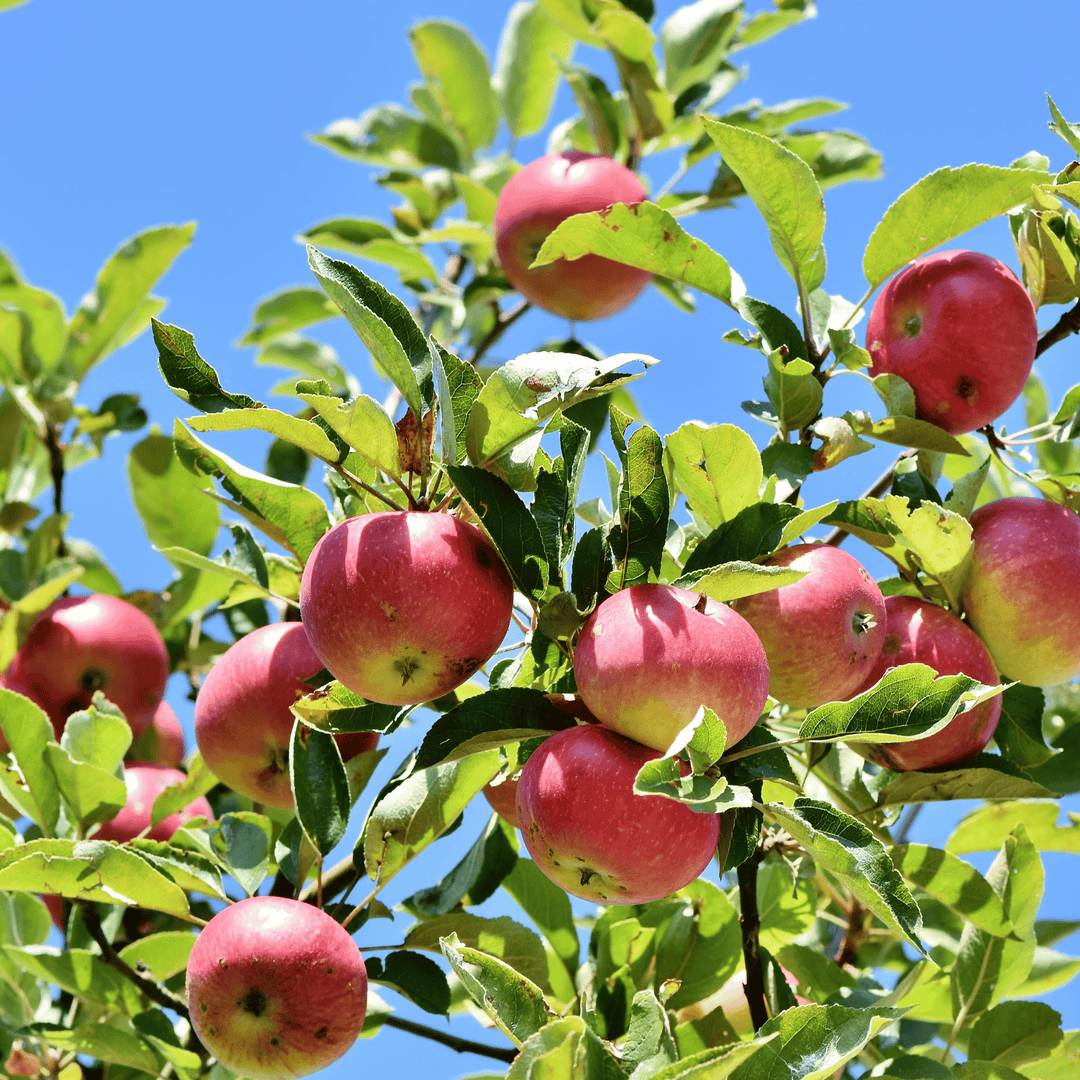
Followed in late summer by large, classic, oval-shaped peaches featuring a golden-yellow skin overlaid with a rich, crimson-red blush.
Foliage:
Long, slender, lance-shaped dark green leaves create a dense, weeping, and tropical-looking canopy all summer long.
The foliage transitions to soft, pleasant shades of yellow and gold in the autumn before dropping.
Shape and Growth:
Features a vigorous, spreading growth habit that develops a broad, naturally rounded crown.
Typically matures at 12–15 feet tall and wide when grown on common semi-dwarf rootstocks, making it easy to manage and harvest.
Fruit Characteristics:
Celebrated as the world’s most famous heirloom peach. It is a true freestone variety, meaning the sweet, melting yellow flesh separates effortlessly from the pit.
It offers a rich, sweet, and robustly traditional peach flavor with just the right touch of tang, making it the premier choice for fresh eating, canning, baking, and freezing.
Adaptability:
Exceptionally robust and adaptable across USDA Zones 5–9. It tolerates intense summer heat and humidity beautifully, provided the soil remains well-drained.
Landscape Use:
A magnificent double-duty addition to home orchards, cottage gardens, and sunny backyards. Its spectacular spring bloom makes it an excellent ornamental specimen tree, while its legendary, heavy mid-to-late summer harvest provides a bountiful food source.