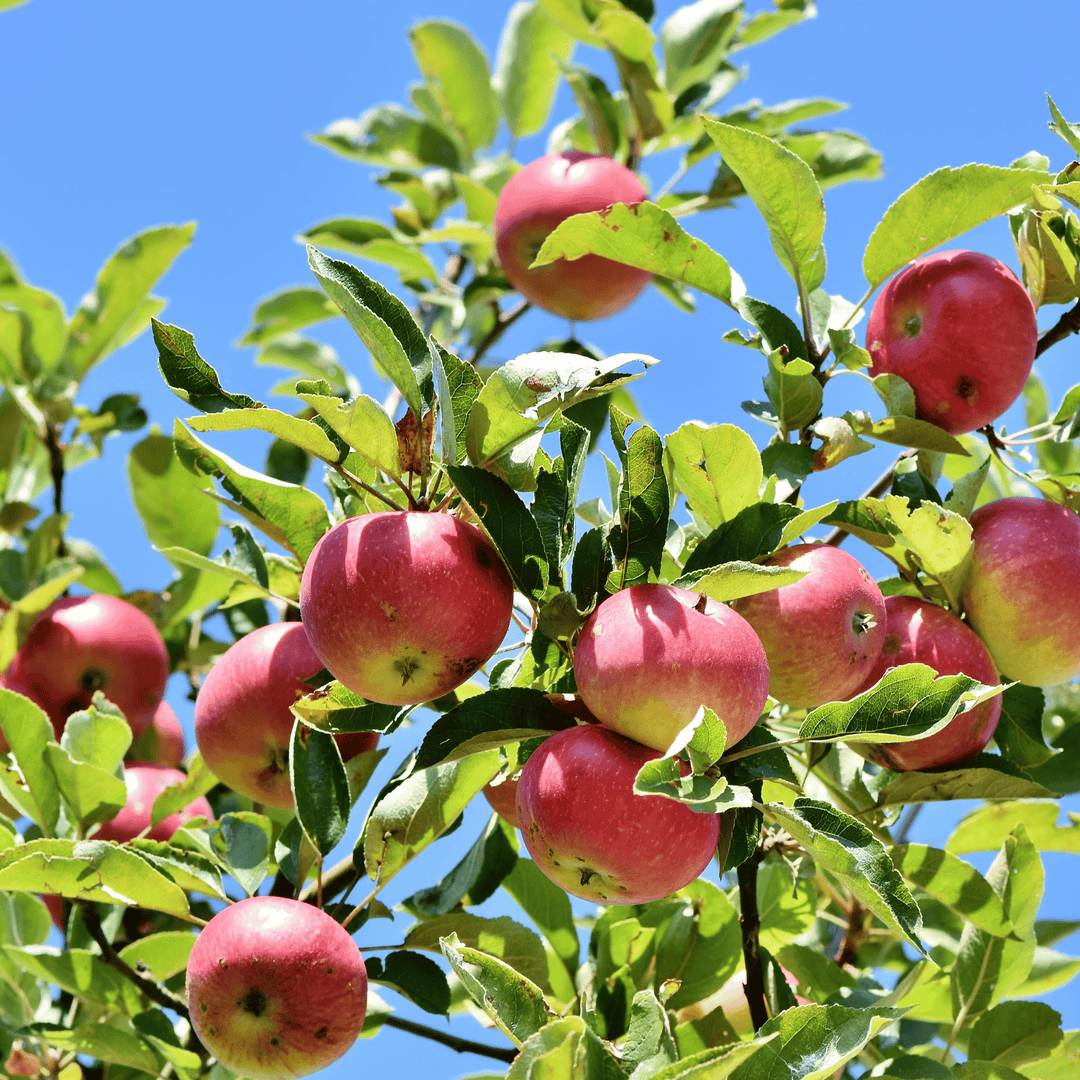



Peach, Reliance
- In stock, ready to ship
- Backordered, shipping soon
Tree Care:
Planting:
Choose a well-draining, sunny spot that gets at least 6–8 hours of sunlight. Dig a hole twice the width of the root ball and to the same depth. Ensure the graft union sits roughly two inches above the soil line.
Watering:
Deep water newly planted trees weekly during the first growing season. Established trees need less but require consistent soil moisture during summer dry spells and the critical fruit-swell period before harvest.
Fertilizing:
Use a balanced, slow-release fertilizer in early spring before new growth starts. Avoid excess nitrogen, which prompts heavy foliage growth at the expense of fruit development.
Pruning:
Shape the tree in late winter or early spring while it is dormant. Use the open-center or vase method to allow maximum sunlight and airflow into the canopy, and remove any dead, diseased, or crossing branches.
Pest and Disease Control:
Check for peach leaf curl, brown rot, or aphids. Apply a dormant copper fungicide spray in late winter to prevent fungal diseases and treat insect issues promptly.
Winter Care:
Apply a 3-inch layer of wood mulch around the base for root insulation, keeping it clear of the trunk. While exceptionally cold-hardy, young trees benefit from a trunk guard to prevent frost cracks and rodent damage.
Tree Description:
Appearance:
Showy, bright pink flower clusters cover the branches in mid-spring.
Produces medium-to-large round peaches with a dull yellow skin covered in a dark red blush.
Foliage:
Long, lance-shaped dark green leaves create a lush, vibrant canopy throughout the summer.
Foliage transitions to shades of yellow and soft orange in the autumn.
Shape and Growth:
Features a spreading, rounded crown that is easily managed with annual pruning.
Typically reaches 12–15 feet tall and wide at maturity on standard semi-dwarf rootstock.
Adaptability:
Renowned as the absolute gold standard for cold hardiness among peach trees, safely tolerating winter temperatures down to -25°F. Thrives in various well-draining soil types across USDA Zones 4–8.
Landscape Use:
Ideal for backyard orchards, community gardens, and edible landscaping, especially in northern or high-altitude climates where other peach varieties fail to survive the winter.